

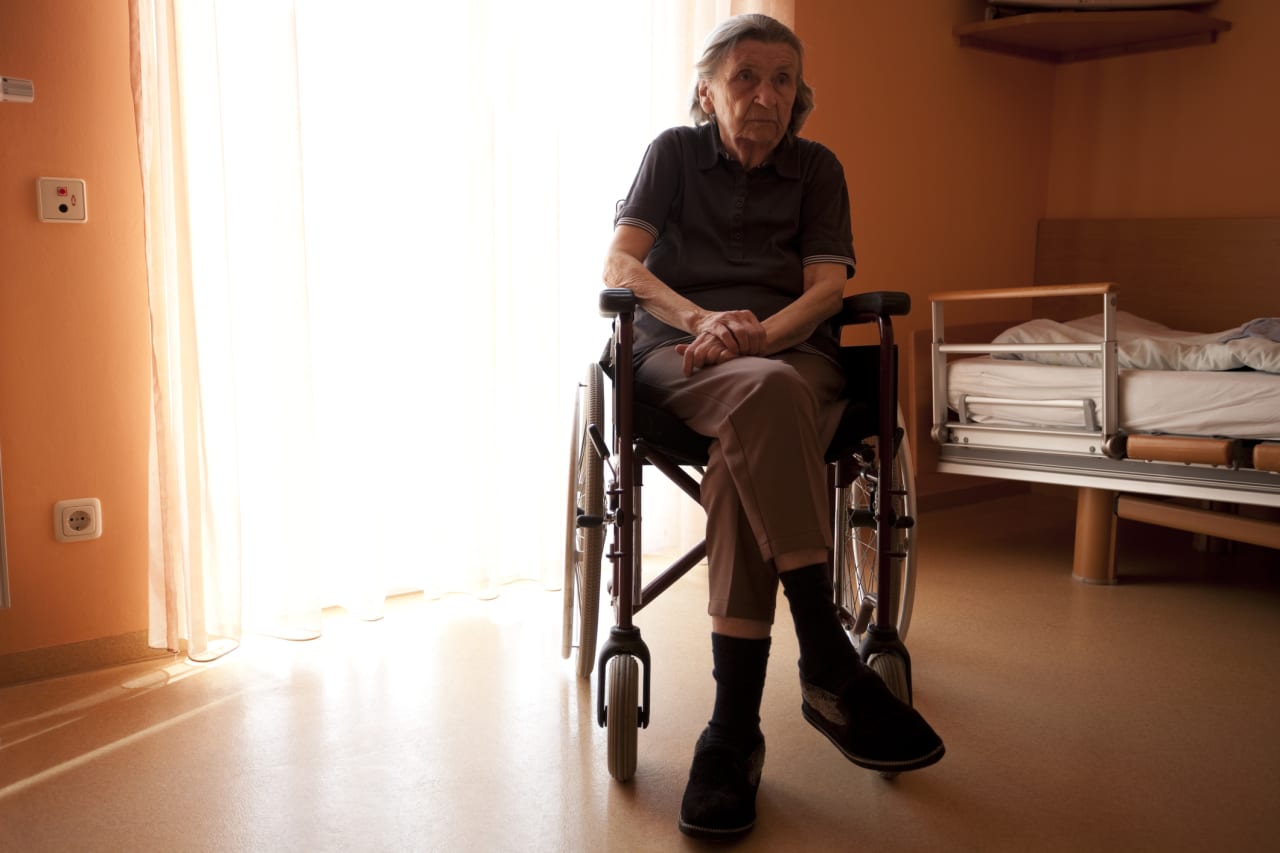

It’s a scenario no one wants to face – the sudden realization that Dad can no longer live alone. In a matter of weeks, he’s relocated to a long-term-care facility, leaving behind the world he knows. Suddenly, he’s surrounded by unfamiliar faces and worried about fitting in.
The move is tough, and Dad is struggling. Instead of getting involved in activities and meeting new people, he’s withdrawn to his room, forgetting meals.
Relocating to a place that offers more support can be hard on an older adult, disrupting their sense of independence and control, according to research.
The move often comes with little warning, leaving them with no time to prepare emotionally or physically, leading to feelings of fear and uncertainty.
How an older adult adjusts to the move depends on their physical and mental health before the relocation, as well as whether they chose to move or were forced. The challenges of late-life relocation are often referred to as transfer trauma or relocation stress syndrome.
As challenging as transfer trauma can be, there are ways to help make the transition a fresh start for your aging loved one. To understand transfer trauma further, Ellen Finney, Director of Memory Care at Inspir Carnegie Hall, describes it as “the emotional and psychological impact of moving older adults to a new living situation, especially when the move is sudden, involuntary or against their will.”
According to Dr. Nicholas Carte, between 20% and 30% of older adults relocating to assisted living or nursing homes show symptoms of transfer trauma. “This change is often difficult for several reasons,” says Carte. Leaving their home can be very unsettling, especially for older adults, as their home often provides security, comfort, and identity.
The stress of moving can take a significant toll on an older adult’s mental health, potentially triggering or worsening anxiety and depression. Finney also notes additional common symptoms like confusion, agitation, and disorientation as individuals are forced to leave their familiar homes and social connections behind.