



Irina Slav
Irina is a writer for Oilprice.com with over a decade of experience writing on the oil and gas industry.
More Info
Premium Content
By Irina Slav – May 18, 2024, 6:00 PM CDT
- The global LNG has become more fragile than before, with price spikes more likely in case of any change in the balance between supply and demand.
- The fragmentation in the LNG market because of Houthi strikes on Western shipping continues to add risk in the global LNG market.
- The LNG market will remain in its current fragmented—or perhaps segmented—state at least for a few more months or even more should the Israel-Hamas war extend beyond 2024.
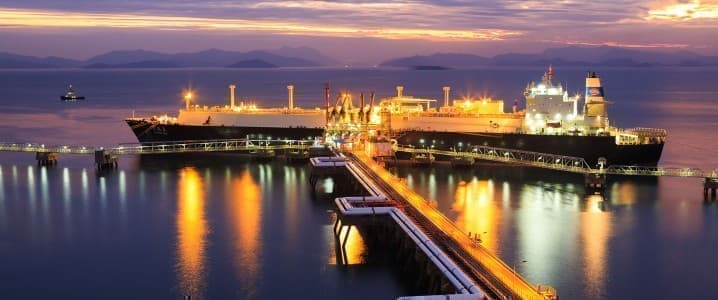
The last LNG carrier that passed the Bab el Mandeb strait off the Yemeni coast did so in February. Since that month, there has been no LNG traffic via the once major energy chokepoint as vessels diverted around Africa—or changed destinations entirely.
When the Houthi attacks on ships traversing the Red Sea prompted the redirection of maritime trade in the area, multiple analysts tried to gauge the significance of the events. Most seemed to agree that the rerouting of maritime transport would make goods more expensive and deliveries slower. LNG was no exception, with analytical outlets pointing towards the tightening of LNG carrier supply because of the longer journeys and the potential for market fragmentation.
To date, this fragmentation is a fact. Qatari liquefied natural gas is now mostly going to Asia—and Russian LNG is going to Europe. U.S. LNG is going to both places, but now some forecasters are warning that a supply outage anywhere would affect the market more severely than it would have before February.
The Oxford Institute for Energy Studies said in a February analysis of the situation that Red Sea ship diversion would make Europe more reliant on U.S. LNG as Qatari LNG becomes more difficult to ship there, while that same Qatari LNG would go more to Asia. This is exactly what has happened. Qatari is selling more liquefied gas to Asian buyers while Europe is buying more U.S. gas—Russian, too.
Bloomberg this week reported shipping data showing that Qatari LNG exports to Asian countries had risen to the highest since 2017 this year while Russia increased its LNG shipment to Europe, despite EU threats of sanctions and bans on these imports. Yet the report also sounded a note of caution—if a production outage occurred in any of the major producing countries, compensating for it by another producer would be tougher than it was before February.
What this means is that the global LNG has become more fragile than before, with price spikes more likely in case of any change in the balance between supply and demand. The recent outage at the Freeport LNG plant, which led to higher prices for U.S. LNG was a good example of this.