


Unlocking the Mysteries of Brain Cleansing Mechanisms
Individual brain cells work together in harmony to create rhythmic waves that facilitate the flow of fluid through the dense brain tissue, serving as a cleansing mechanism for the brain. Recent research conducted at Washington University in St. Louis sheds light on this fascinating process.
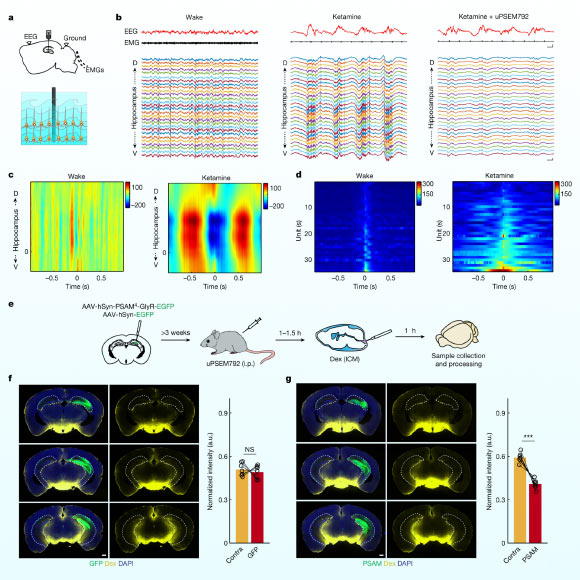
The brain is prone to the accumulation of metabolic waste, which is a significant factor contributing to various neurological disorders. However, our understanding of how the brain effectively cleanses itself remains limited. As demonstrated by Jiang-Xie and colleagues, neural networks synchronize their activities to generate large-amplitude, rhythmic ionic waves in the brain’s interstitial fluid. Essentially, these neurons function as tiny pumps that help remove debris and waste from the brain.
Dr. Li-Feng Jiang-Xie, the lead author of the study, describes these neurons as miniature pumps, emphasizing the crucial role of synchronized neural activity in facilitating fluid flow and waste disposal within the brain. This process holds promise for potentially delaying or preventing the onset of neurological conditions like Alzheimer’s and Parkinson’s diseases, where the buildup of waste materials can lead to neurodegeneration.
The brain plays a central role in regulating thoughts, emotions, and physical movements, requiring a significant amount of energy to sustain its operations. As brain cells metabolize nutrients, they produce waste that needs to be efficiently removed. Without proper clearance of metabolic waste, the risk of developing neurodegenerative diseases increases.
Professor Jonathan Kipnis, the senior author of the study, underscores the importance of eliminating metabolic waste from the brain to prevent the onset of such diseases. While it is known that the brain initiates a self-cleaning process during sleep to rid itself of accumulated toxins, the specific mechanisms involved in this cleansing process have been elusive until now.
The movement of fluid within and around the brain is a complex process that involves the cerebrospinal fluid flowing through intricate cellular structures. This fluid eventually exits the brain after collecting waste products and passes through a barrier before entering lymphatic vessels in the outer layer of brain tissue.
Research on sleeping mice revealed that neurons play a crucial role in driving the brain’s cleaning process by generating rhythmic waves through coordinated electrical signals. Disrupting these waves in specific brain regions impeded the flow of cerebrospinal fluid and trapped waste, highlighting the significance of these neural activities in maintaining brain health.
Understanding the mechanisms behind brain cleansing processes opens up new possibilities for developing interventions and therapies aimed at enhancing waste removal and safeguarding brain function. By unraveling the mysteries of brain cleansing, researchers are paving the way for innovative approaches to promoting brain health and mitigating the risk of neurological diseases.