

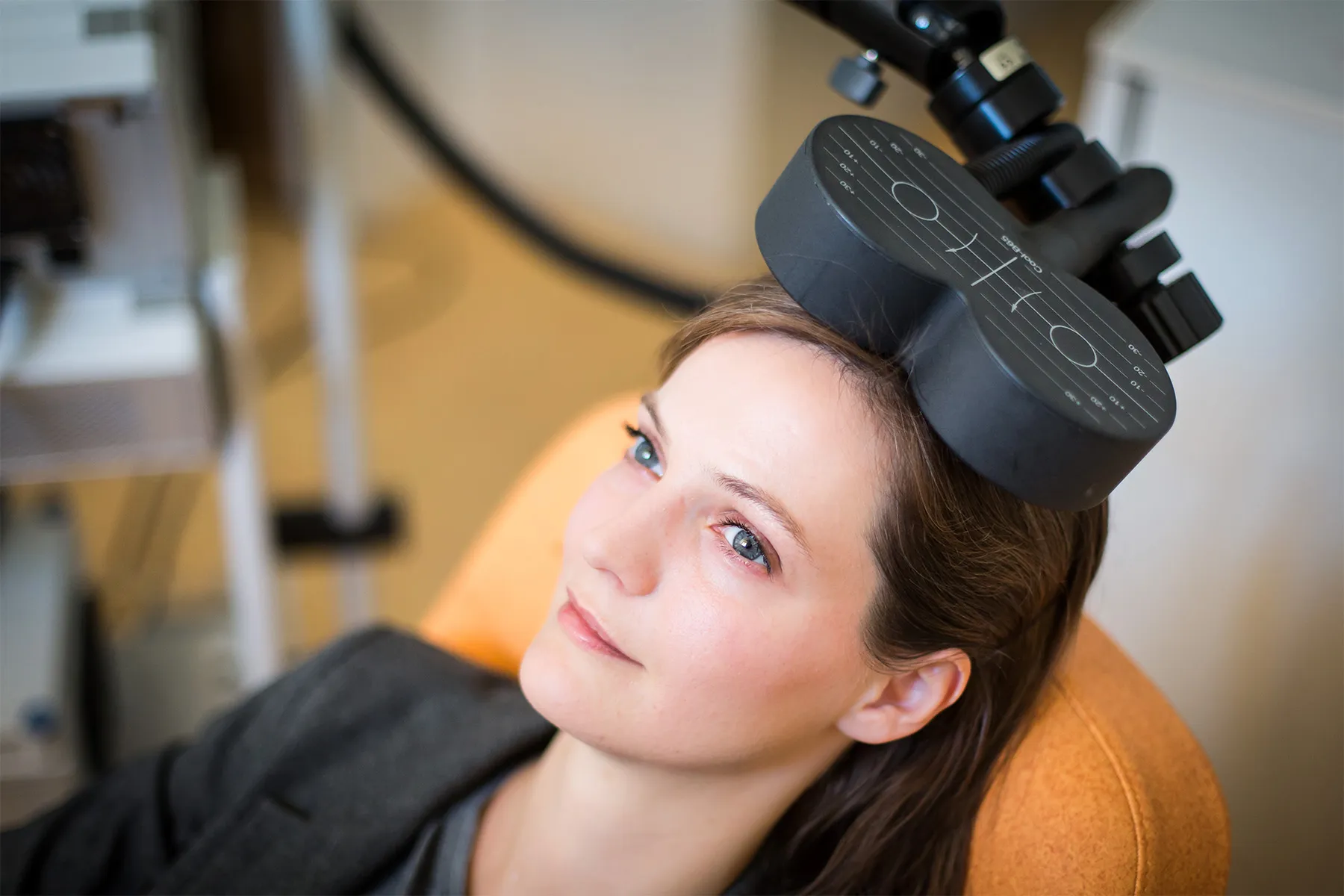

Major depressive disorder is the most widespread mood disorder in the world. Also called clinical depression, or just depression, it’s when you have symptoms of low mood or hopelessness for at least 2 weeks. Scientists still don’t know what causes it. But they know that treating it is complex and that people who have it need more ways to feel better faster.
For about half a century, scientists have put a lot of effort into improving medications that target a small set of neurotransmitters. Those are chemicals in the brain — serotonin, norepinephrine, and dopamine in particular — that affect how your nerve cells talk to each other, which then affects your mood.
Most people respond to standard antidepressants. But at least 30% of people who try two different kinds of these drugs continue to have symptoms of depression. That’s called treatment-resistant depression.
So, over the past 2 decades, scientists have changed how they think about treatment for major depressive disorder as their understanding of the brain biology behind depression has changed.
The biggest change is that medication research has gone past only targeting certain neurotransmitters, says Gerard Sanacora, MD, PhD, director of the Yale Depression Research Program in New Haven, CT. “We’ve opened up a whole new vista of potential targets for new drugs.”
New Medications and Faster Results
There’s a long-held idea that depression takes weeks or months to resolve. But new fast-acting treatments have “changed what we think is possible in the field,” Sanacora says.
In 2019, the FDA approved brexanolone (Zulresso). It’s the first drug specifically for postpartum depression, which is a type of major depression. Experts aren’t exactly sure how it works. But it’s a human-made version of a steroid your body makes naturally. It affects your GABA receptors, which help regulate mood.
Brexanolone isn’t as easy to take as other antidepressants. You get it through a vein in your arm at a health care facility over the course of 60 hours. But it can work quickly. Your depression symptoms might start to lift by the end of your treatment.
Another breakthrough drug came out that same year.
Esketamine is a prescription nasal spray. The low-dose psychedelic drug boosts the activity of glutamate in parts of your brain related to mood. Glutamate’s job is to excite cells in the brain and nervous system. Esketamine can trigger new connections in your brain too. You may start to see improvements in your depression within hours or days of using it, Sanacora says.
Esketamine offers lifesaving hope for people with suicidal thoughts and relief for people with treatment-resistant depression. But used alone, symptom relief may only last a couple of weeks. That’s why experts agree you should take rapid-onset drugs alongside traditional treatments.
As for those with mild or moderate depression, Sanacora still first suggests cognitive behavioral therapy, followed by conventional antidepressants also known as selective serotonin reuptake inhibitors (SSRIs).