

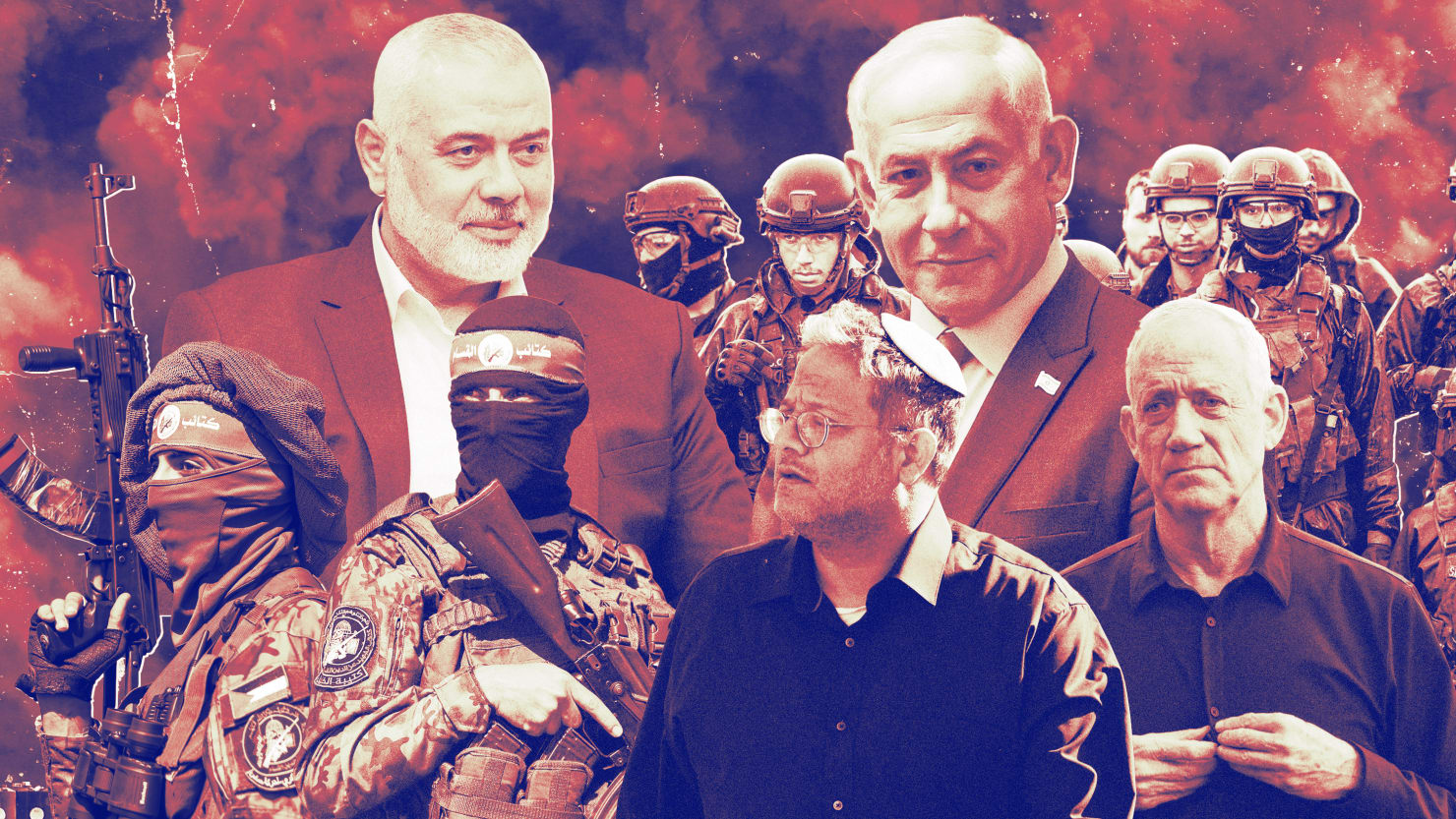

Israel-Palestine was in a dire situation before the Oct. 7 attack and subsequent Gaza war. The conflict has been ongoing for decades, but tensions escalated when Hamas took control of Gaza in 2007. The status quo prior to the current war was marked by a blockade of Gaza by Israel and Egypt, as well as authoritarian internal control by Hamas. The occasional aerial exchanges between Israel and Hamas, along with the expansion of West Bank settlements and a far-right government in Israel, made the situation increasingly entrenched.
The deadliest violence in the region this century has disrupted this untenable situation, offering a chance for lasting peace. However, significant obstacles still remain, which could hinder efforts to achieve peace.
One such obstacle is Hamas, as they have consistently demonstrated their commitment to Israel’s destruction, making peace seemingly impossible. Their recent attack aimed to provoke a massive military response from Israel, indicating their desire for a violent conflict. Despite the immense suffering inflicted, Hamas is still determined to continue their aggression.
While peace with Hamas may be unattainable, the only conceivable solution involves force. Israel’s main military objective is to eliminate Hamas, and this has resulted in significant civilian casualties and displacement. International pressure to end major combat operations is mounting, but the situation remains fraught with challenges.
To find out more about the obstacles to peace in Israel-Palestine, click the link below.