


Challenges Faced by Vulnerable Communities Amid Economic Reforms in Argentina
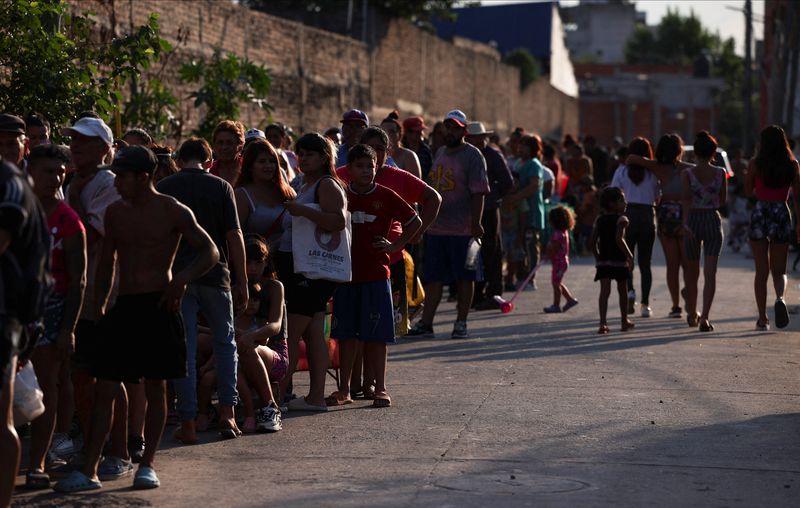
In the heart of Argentina’s barrios, families like Debora Blanco’s are struggling to make ends meet in the face of rising poverty levels as President Javier Milei pushes for aggressive austerity measures. Blanco, a mother of eight, resides in a humble abode without basic amenities like doors, windows, electricity, or running water. The recent economic turmoil, including triple-digit inflation and a significant devaluation of the peso, has exacerbated the plight of vulnerable individuals like Blanco.
Milei’s economic strategy aims to address the country’s deep deficit and rampant inflation, which currently stands at over 250%. His proposed reforms involve downsizing the government, reducing subsidies for essential services, shutting down state-run institutions, and revising social welfare programs. While Milei emphasizes the necessity of these drastic measures to stabilize the economy, skeptics worry about the immediate impact on impoverished communities.
Blanco, who relies on waste collection for income and government assistance, expresses concerns over the soaring food prices and the precarious nature of her livelihood. She, like many others in similar circumstances, fears that the proposed timeline for economic recovery may not align with the urgent needs of the population. While Milei promises a fiscal balance by the end of the year, grassroots movements and protests against the reforms continue to gain momentum.
Rising Dissent and Calls for Action
Protests outside the Congress building signal growing discontent among citizens facing wage devaluation, pension cuts, and unaffordable living expenses. The emergence of voices like Guillermo Pacagnini, a leftist leader, reflects the widespread frustration with Milei’s policies and their immediate repercussions on everyday life. The demands for accountability and social justice are becoming more vocal as marginalized communities bear the brunt of the economic restructuring process.
Despite receiving support from the International Monetary Fund and positive market reception, Milei acknowledges the challenges ahead for ordinary Argentines. He acknowledges that the benefits of economic reforms may take time to materialize, urging patience and perseverance during this turbulent period of transition.
In conclusion, the narrative of economic reform in Argentina is shaped by a delicate balance between macroeconomic stability and social equity. As the government pushes for austerity measures to address fiscal imbalances, the impact on vulnerable communities like Debora Blanco’s underscores the urgent need for inclusive and sustainable policies that prioritize the well-being of all citizens.
Original Article Source: Full Article