

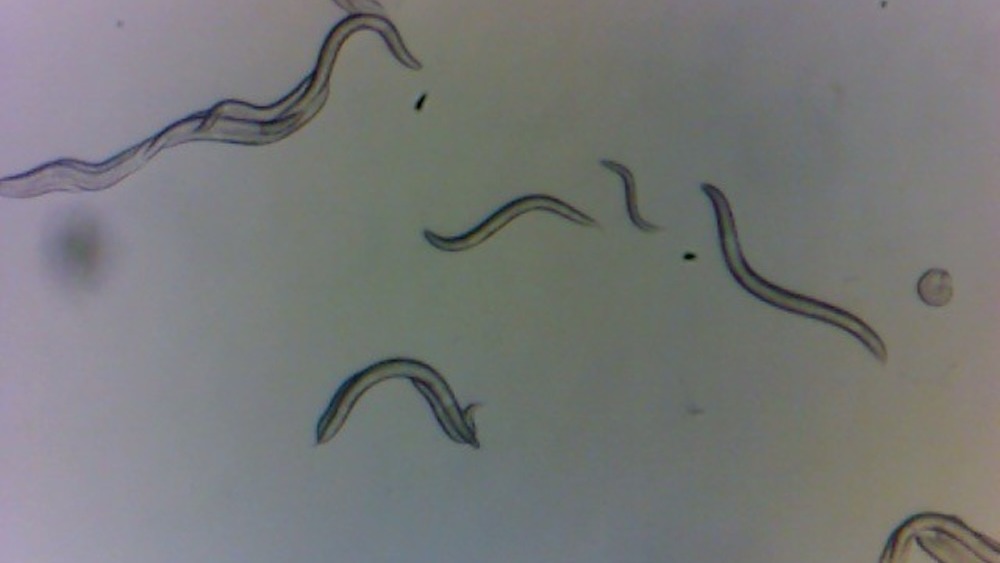

Thriving Worms in the Chernobyl Exclusion Zone
Microscopic worms living in the Chernobyl Exclusion Zone (CEZ) in Ukraine have displayed remarkable resilience to radiation exposure, sparking interest among scientists for potential insights into cancer research in humans.
The study, published on March 5 in the journal PNAS, revealed that the genomes of these worms, known as Oscheius tipulae, remained undamaged despite continuous exposure to radiation over several generations. These findings challenge existing beliefs about the effects of radiation on local populations following the Chernobyl disaster.
Research lead Sophia Tintori, a postdoctoral associate at New York University, emphasized the importance of understanding whether the sudden environmental shift in the CEZ selected for species or individuals with natural resistance to radiation.
Studies comparing the genomes of worms from the CEZ with those from other regions found no clear signs of radiation damage in the former. This contrasts starkly with the physical changes observed in other animals, such as frogs, in response to radiation exposure at the site.
While the resilience of the Chernobyl worms is evident, researchers caution against assuming the safety of the area. Instead, the findings suggest that nematodes are incredibly resilient creatures capable of withstanding extreme conditions.
The study’s inquiry into the worms’ ability to repair DNA highlighted variations in the descendants’ responses to DNA-damaging chemicals. Strikingly, there was no association between the worms’ resistance to DNA damage and the radiation exposure levels of their ancestors.
These results challenge the notion that the Chernobyl worms evolved to tolerate radiation, indicating that their resilience may be inherent rather than a response to their radioactive environment.
In conclusion, the remarkable resilience of the worms in the CEZ highlights the potential for further research into the mechanisms of radiation resistance and its implications for cancer treatment and prevention in humans.