

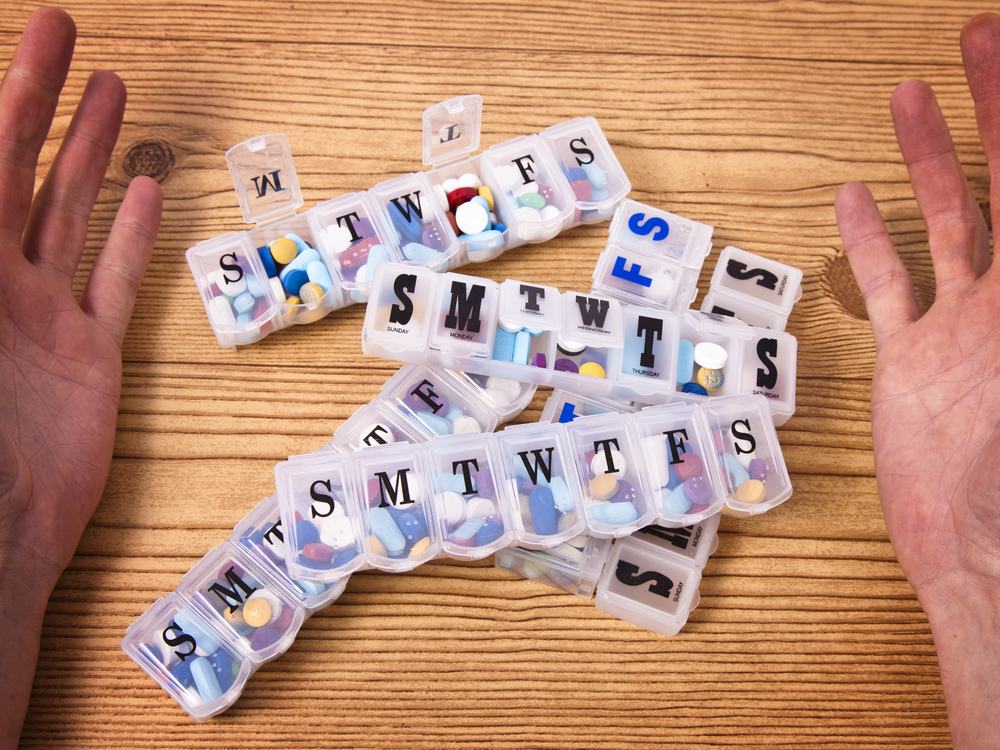

The Benefits and Risks of Taking Vitamin and Mineral Supplements
For individuals who lack essential micronutrients in their diets, the Academy of Nutrition and Dietetics emphasized in a 2018 stance that vitamin and mineral supplements can be beneficial. This is particularly relevant for individuals with chronic health conditions, malabsorption issues, elderly individuals, and expectant mothers. Surprisingly, nearly three-quarters of Americans incorporate dietary supplements into their daily routines, as reported by the Council for Responsible Nutrition.
The debate around the necessity and potential risks of excessive supplement consumption continues. Nevertheless, a vast majority of individuals take some form of vitamin or mineral supplement on occasion, which generally poses no harm. However, it is crucial to be aware that excessive intake of certain supplements can have adverse effects.
Understanding the Dangers of Overconsumption
The Academy of Nutrition and Dietetics cautions against the indiscriminate and habitual use of micronutrient supplements to prevent chronic diseases due to the existence of upper intake levels (ULs) for specific nutrients. Nutrients like calcium, choline, copper, fluoride, iodine, iron, manganese, molybdenum, nickel, phosphorus, selenium, vitamin B6, vitamin C, vitamin D, niacin, and zinc all have established ULs. Vitamin A warrants special attention, as it has a UL in its retinol form but not in the beta-carotene form.
The repercussions of surpassing these limits can be severe. Excessive intake of vitamin B6 has been linked to nerve damage, while an overload of niacin can lead to liver damage. Furthermore, an excess of iron can even prove fatal. Stefan M. Pasiakos, the director of the Office of Dietary Supplements at the National Institutes of Health, affirms that extremely high iron doses have the potential to cause organ failure, coma, convulsions, and, in extreme cases, death.
It is worth noting that while instances of iron poisoning are more common in children, adults are also at risk. Moreover, the adverse effects of surpassing the ULs of nutrients can be discomforting. For instance, an excess of vitamin C can induce nausea, cramps, diarrhea, vomiting, and headaches. Pasiakos explains that nutrients without upper limits are regarded as safe at any dose.
Fortified Foods and Supplement Interactions
There is no need to fret about nutrient buildup from consuming supplements alongside fortified foods like cereals, as per Tada Images/Shutterstock. As long as one adheres to recommended supplement dosages and consumes fortified foods moderately, the risk of adverse interactions is low. This underlines the importance of maintaining a balanced approach to supplement intake and food consumption to ensure optimal health and well-being.
In conclusion, while vitamin and mineral supplements can be advantageous for individuals with dietary deficiencies, it is essential to exercise caution and moderation, as excessive intake can lead to adverse health consequences. By understanding the risks associated with overconsumption and being mindful of supplement interactions with fortified foods, individuals can make informed choices regarding their nutritional supplement regimen.