


- Science
Do Chamomile, Melatonin, and Tart Cherry Juice Actually Help You Sleep?
Published January 22, 2024
When faced with sleepless nights, many people swear by supplements like melatonin and magnesium, herbs like valerian root, and drinks like tart cherry juice. But can these so-called natural sleep aids actually help you fall and stay asleep?
According to the National Academy of Medicine, 50 to 70 million people in the United States face chronic sleep issues—and collectively, Americans spend nearly $700 million dollars on sleep aids every year. Despite a growing global market for natural sleep aids, they likely do little to help.
Experts agree that sleep supplements don’t combat what’s at the root of insomnia: anxiety. “Insomnia is a medical condition,” says Michael Grandner, a clinical psychologist and director of the Sleep and Health Research Program at the University of Arizona. By definition, “supplements don’t treat medical conditions,” he says.
(Inside the incredible science of sleep.)
There’s also little scientific evidence that supplements help people get shut-eye. Very few high-quality studies have tested how well they work, Grandner explains, while those that do carefully analyze sleep aids often show they induce no or only subtle changes in sleep quality.
Janet Cheung, a senior lecturer in pharmacy practice at the School of Pharmacy, University of Sydney, cautions that people should talk to their doctors before they try out any sleep aids. “Some people should not be taking these supplements, particularly pregnant women,” she says. That’s because we don’t yet know how these supplements might affect people from certain groups, like pregnant people and children.
But that doesn’t necessarily mean sleep aids don’t do anything. After all, people must at least believe they’re getting some benefit after spending hundreds of dollars a year on them. Here’s what the science says about popular natural sleep supplements—and which ones might work better than others:
Chamomile
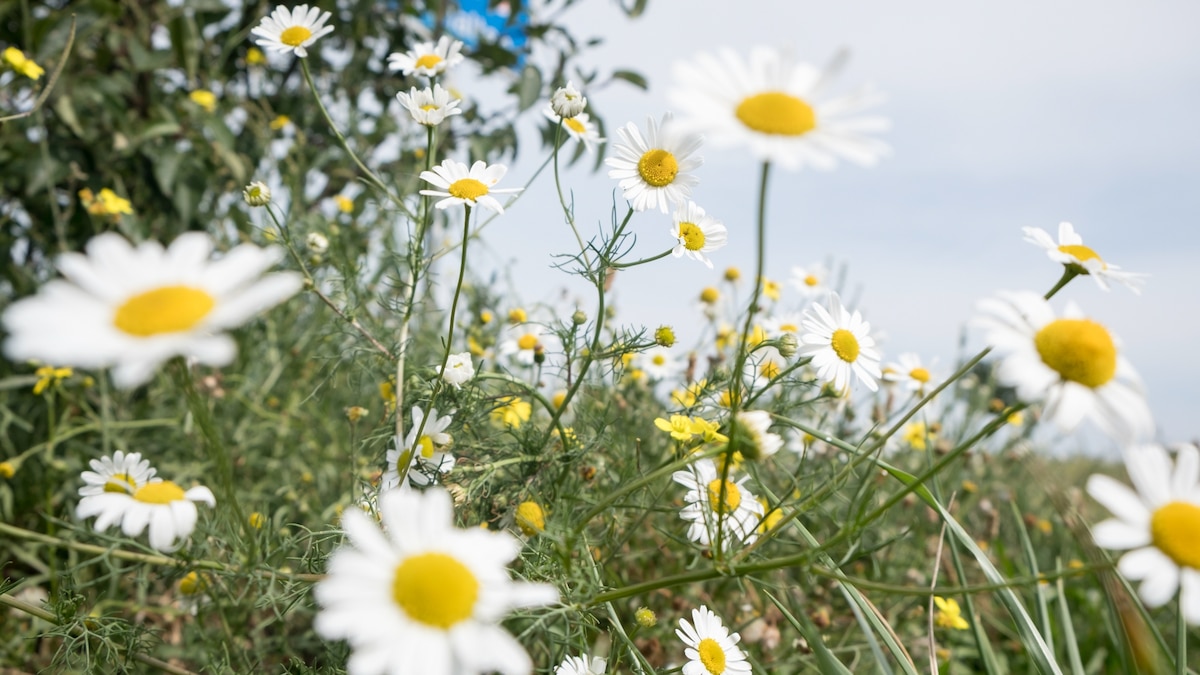
Chamomile refers to many different plants in the Asteraceae family and is an ancient medicinal herb. Despite its popularity, studies on chamomile’s impact on sleep show mixed results. For example, one randomized controlled trial suggested that chamomile improved sleep quality in elderly people, but another study on people with insomnia found that it had no effect.
What might be behind these contradictory results? Part of it is the placebo effect: Any substance can have a strong placebo effect when it comes to sleep. In fact, any bedtime ritual can help you fall asleep faster, says Chris Winter, a sleep specialist, neurologist, and host of the Sleep Unplugged podcast.