

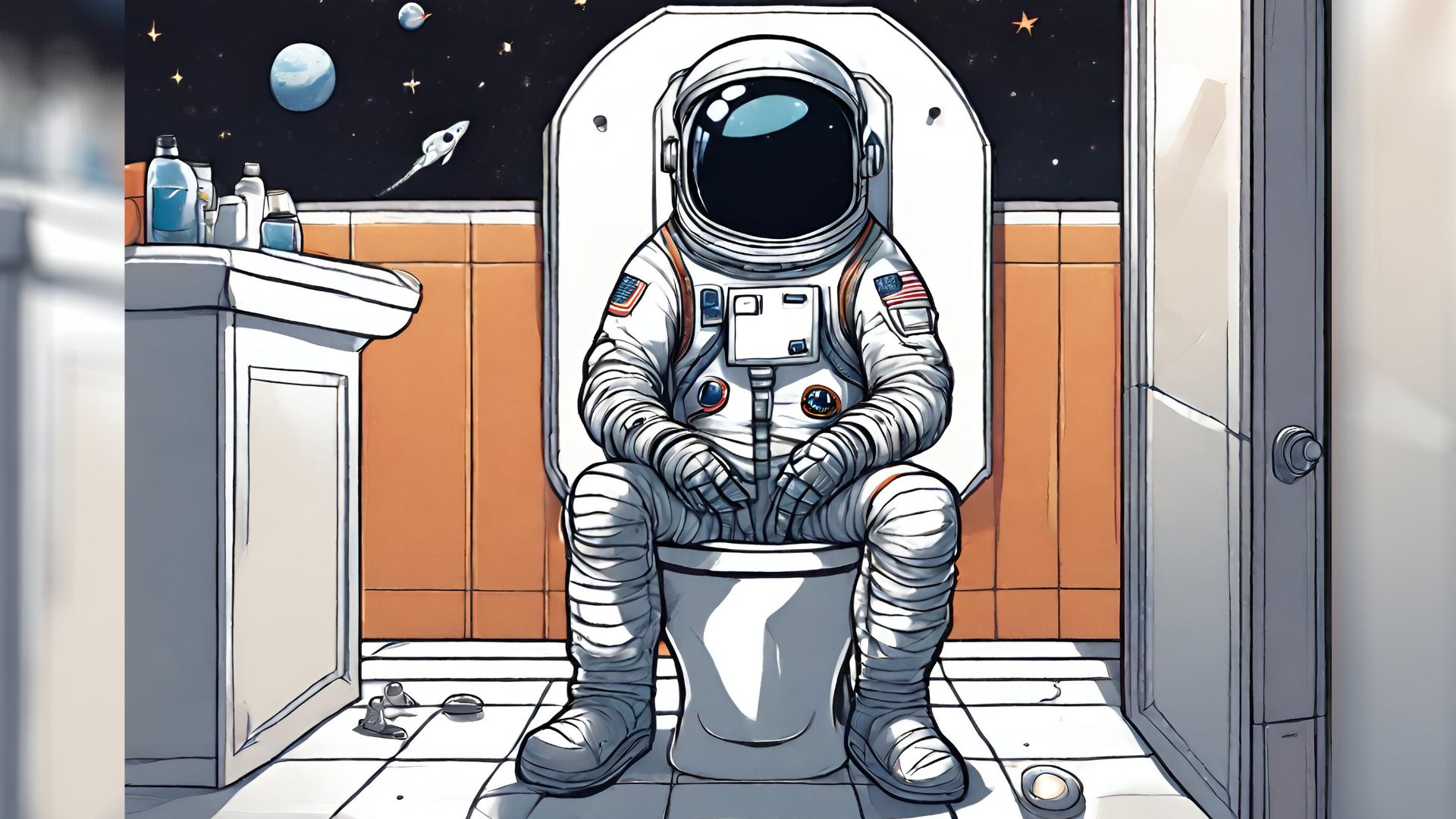

Exploring the Mechanics of Space Toilets
Space is a vast and intriguing frontier, but even astronauts have to deal with the most basic of human needs – using the toilet. Let’s delve into the unique challenges and solutions that come with performing this daily task in outer space.
A Historic Moment: Urinating in Space
The story of Alan Shepard’s first experience in space and his unexpected need to relieve himself highlights the initial lack of preparation for such bodily functions during space missions. His mishap with urinating in his spacesuit due to the absence of a urine collection system serves as a reminder of the importance of proper planning for all aspects of space travel.
Evolution of Space Toilets
Fast forward to John Glenn’s mission, and we see the implementation of the first functioning urine collection system in his spacesuit. This historic milestone paved the way for future astronauts to handle their bodily waste in a more controlled and hygienic manner. As space exploration expanded, longer stays in space necessitated the development of more sophisticated space toilets capable of accommodating the needs of astronauts over extended periods.
Challenges of Waste Disposal in Microgravity
Unlike on Earth, where gravity aids in waste disposal, the microgravity environment of space presents unique challenges. Waste floating freely in a spacecraft poses not only health risks to astronauts but also the potential for damage to sensitive equipment. To address this issue, space toilets on the International Space Station and spacecraft rely on suction and airflow to efficiently manage waste disposal without the need for gravity.
Innovative Solutions for Space Toilets
The Japan Aerospace Exploration Agency (JAXA) highlights the use of suction and strapping mechanisms to ensure the safe and effective operation of toilets in space. Astronauts must secure themselves to the toilet to prevent unintended movements in the weightless environment. These innovative solutions not only address the practicalities of waste disposal but also contribute to the overall comfort and well-being of astronauts during their missions.
In Conclusion
The evolution of space toilets from improvised solutions to sophisticated systems reflects the ongoing efforts to enhance the quality of life for astronauts in space. By overcoming the challenges of waste disposal in microgravity, these innovative technologies play a crucial role in enabling long-duration space missions and paving the way for future exploration beyond Earth’s orbit.