

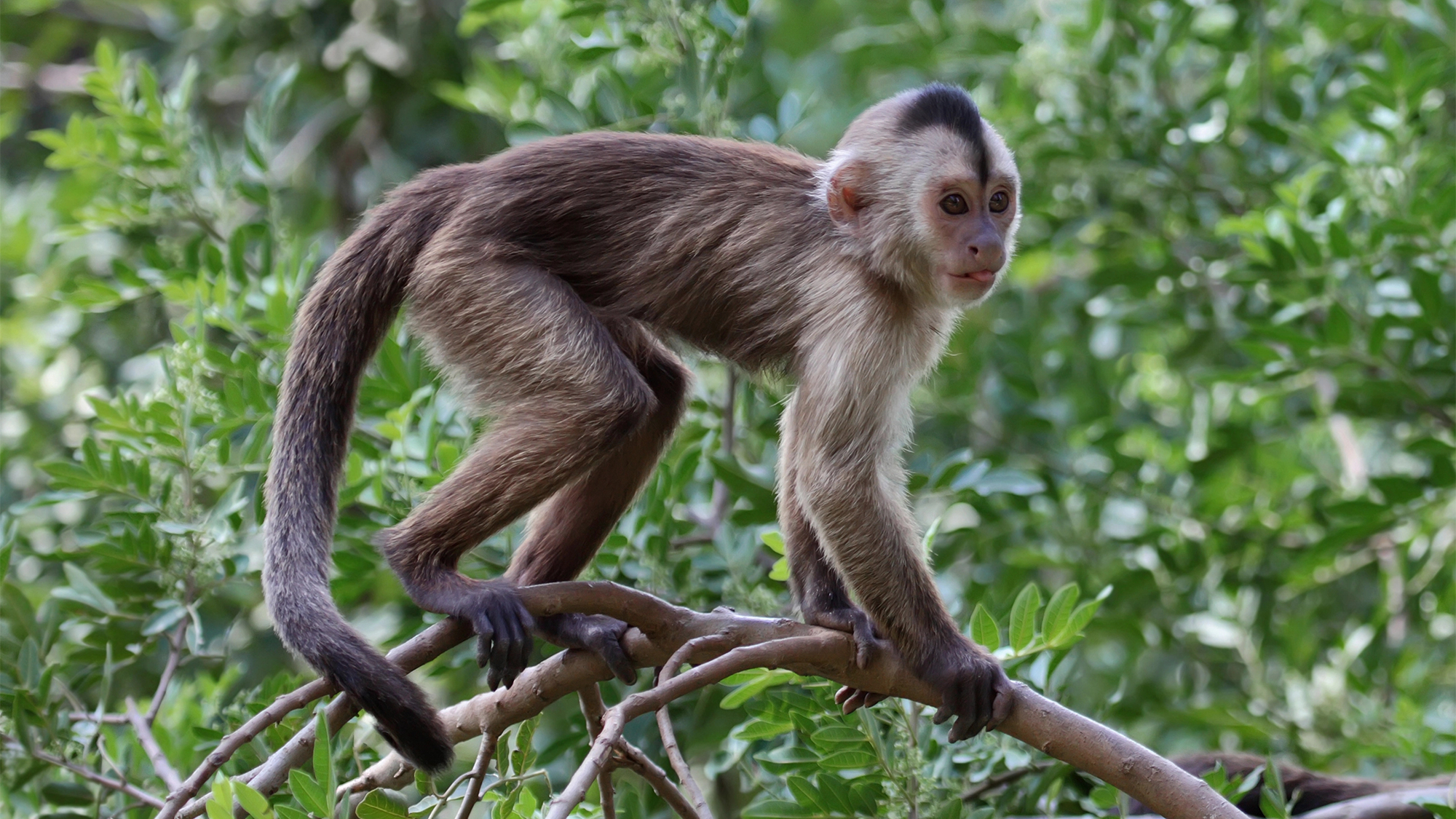

When did humans shed their tails? Uncovering the mystery of tail loss in apes
The Evolution of Tail Loss
Tail loss in apes traces back to a divergence from Old World monkeys around 20-25 million years ago. This evolutionary split led to apes developing fewer tail vertebrae, eventually forming the coccyx or tailbone.
Reasons for Tail Loss
While the exact reason for tail loss in apes remains unknown, some scientists suggest that not having a tail may have provided an advantage for apes with vertical bodies living on the ground. Tailed primates typically use their tails for swinging and moving horizontally along branches, unlike tailless apes like gibbons and orangutans, who exhibit different movement patterns.
Genetic Insights
Previous research has identified over 100 genes linked to tail development in vertebrates. It is believed that tail loss in apes occurred through mutations in multiple genes, specifically affecting the DNA code.
The DNA Discovery
In a recent study, researchers compared the DNA of various ape and monkey species, discovering a shared DNA insertion in apes and humans, absent in monkeys. This insertion on the TBXT gene, known to influence animal tail length, was a significant finding in understanding tail loss.
CRISPR Editing
Through CRISPR editing, researchers altered the TBXT gene in mouse embryos, resulting in various tail effects, including some mice born without tails. This experiment highlighted the impact of mutations on gene function and the role of DNA elements like Alu sequences in genetic evolution.
Alu Elements and Gene Function
Alu elements are repetitive DNA sequences that can create RNA fragments, which then revert to DNA and insert randomly into the genome. These “jumping genes” can disrupt or enhance gene function by inserting themselves into DNA sequences, potentially influencing traits like tail length.
The Unraveling of Ape Tail Loss
By uncovering genetic mutations on the TBXT gene and the role of Alu elements in gene function, researchers have shed light on the evolutionary process behind tail loss in apes. This study offers valuable insights into the genetic mechanisms driving physical adaptations in primates.