


The Impact of Trump’s Fraudulent Actions on Taxpayers
As of February 16, 2024, Justice Engoron in New York delivered a ruling that unveils Donald Trump’s fraudulent activities, far beyond the realm of reality TV. This ruling, which surpasses the recent defamation case verdict against Trump, reveals a staggering $350 million fraud, along with the defrauding of taxpayers. It is crucial to understand that Trump’s deceptive actions not only affected big banks but also had a direct impact on governments and taxpayers.
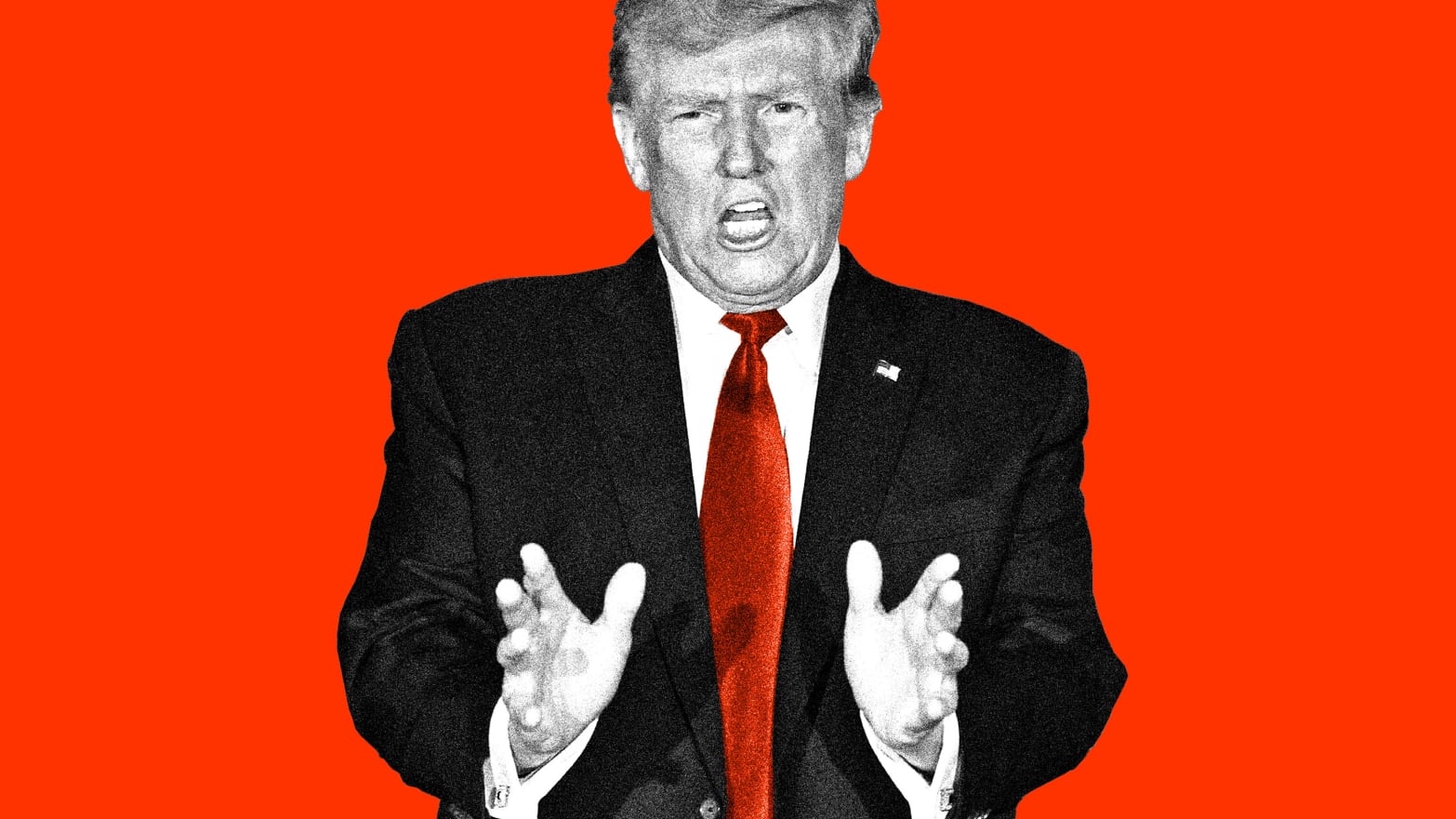

Photo Illustration by Luis G. Rendon/The Daily Beast/Getty
“Reality TV Star Found Guilty of Fraudulently Inflating His Assets”
While the focus has primarily been on Trump’s fraudulent actions to deceive financial institutions for personal gain, the implications of his actions on taxpayers cannot be overlooked. By inflating his assets to secure loans, Trump cheated both banks and taxpayers, creating a ripple effect that goes beyond the financial sector.
Moreover, Trump’s manipulation of asset values extended to his dealings with governments. Instead of inflating the worth of his assets as he did with banks, he often devalued them when reporting to authorities, depriving governments of their rightful funds. This deceptive behavior not only cheated governments but also had a direct impact on taxpayers, who ultimately bear the burden of such fraudulent activities.
Justice Engoron’s ruling shed light on the extensive fraud committed by Trump, not limited to financial institutions but also encompassing properties like Mar-a-Lago and the Ferry Point golf course. These fraudulent practices had significant repercussions for taxpayers, emphasizing the need for accountability and justice in cases of financial misconduct.