

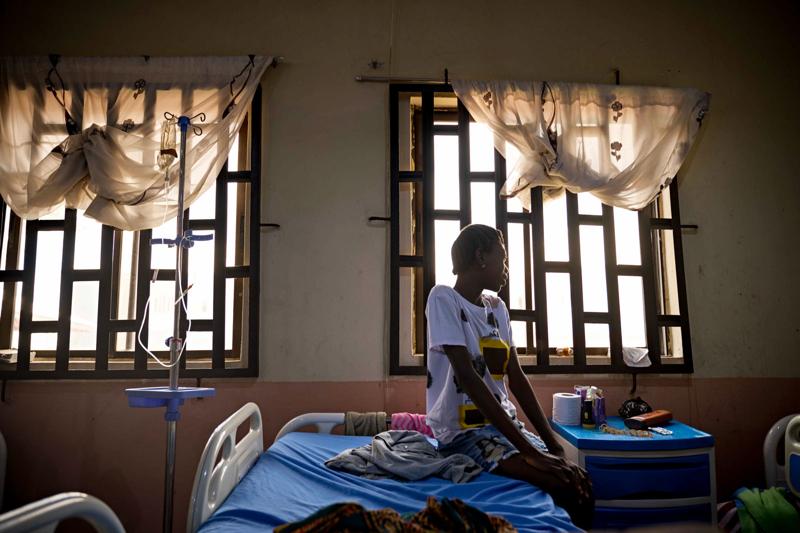

The Emerging Crisis of Lassa Fever in West Africa: Researchers Racing Against Time
Lassa fever, an often-overlooked disease spread by rodents, is claiming the lives of thousands annually in West Africa. Despite its deadly impact, research on this viral illness has been limited, leaving experts scrambling to understand why the outbreak is escalating.
The Burgeoning Threat of Lassa Fever
In recent years, the incidence of Lassa fever has been on the rise in West Africa, posing a significant public health challenge. The virus, transmitted through contact with rodent excreta or consumption of contaminated food, has been responsible for numerous fatalities in the region.
Challenges in Research and Prevention
One of the main obstacles in combating Lassa fever is the lack of effective treatment options and vaccines. The limited resources allocated to researching this disease have hindered efforts to develop preventative measures and improve patient outcomes. Furthermore, the lack of awareness and education about Lassa fever has contributed to its unchecked spread in communities.
The Race Against Time
As the number of Lassa fever cases continues to climb, researchers are racing against time to unravel the mysteries of this deadly virus. Understanding the transmission dynamics and risk factors associated with Lassa fever is crucial in devising strategies to control its spread and minimize its impact on public health.
Urgent Need for Collaboration and Funding
To address the growing threat of Lassa fever, collaboration between researchers, healthcare providers, and policymakers is essential. Securing funding for research and implementation of preventive measures is imperative in curbing the spread of this disease and saving lives in affected communities.
In conclusion, the alarming increase in Lassa fever cases in West Africa underscores the urgent need for heightened research efforts and public health interventions. Only through collaborative action and adequate resources can we hope to mitigate the impact of this deadly viral illness on vulnerable populations.