

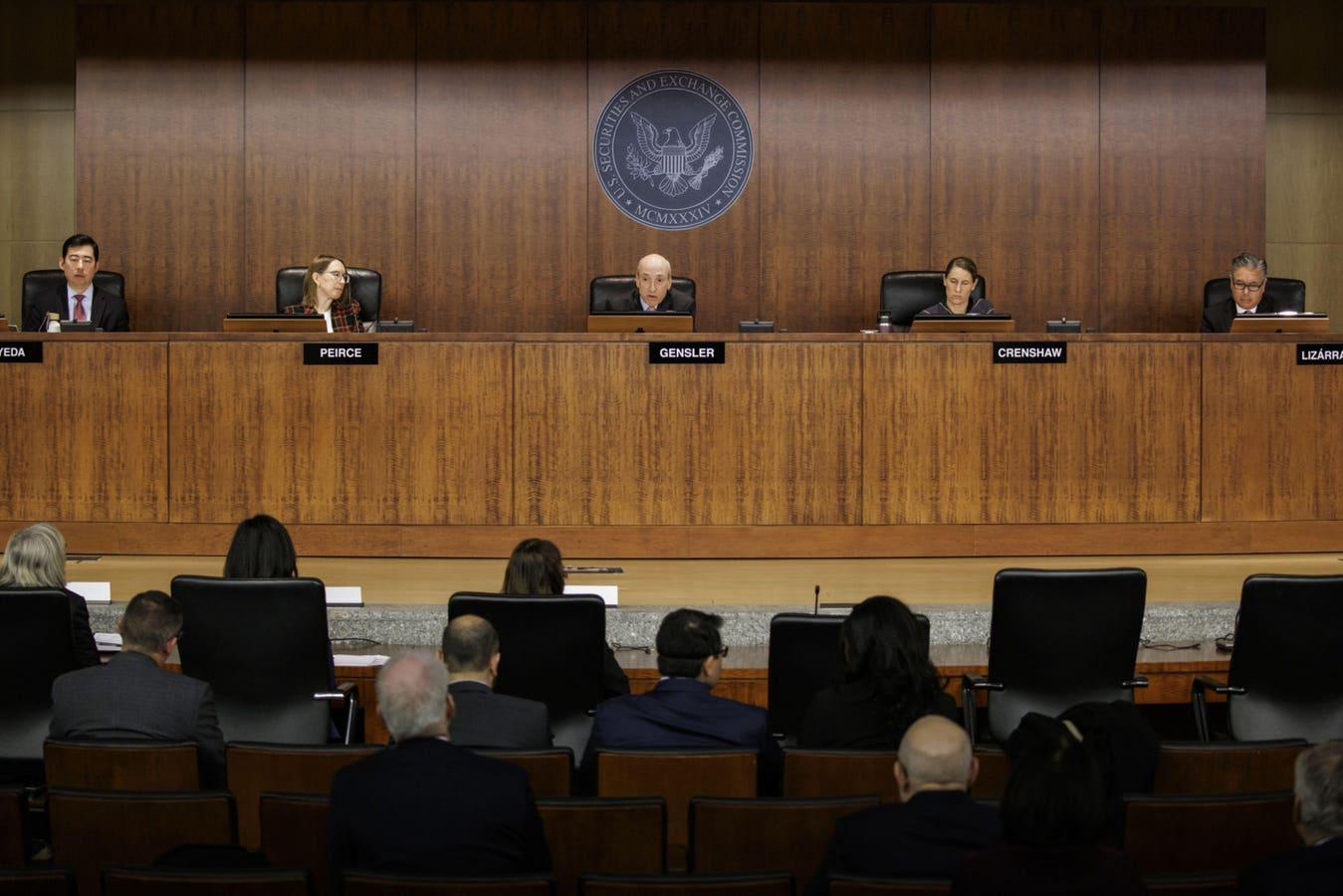

The U.S. Securities and Exchange Commission’s Approach to Climate Related Disclosure Standards
The anticipated adoption of the Climate Related Disclosure Standards by the U.S. Securities and Exchange Commission (SEC) is a significant development expected to take place in March. Reports suggest that the SEC has made the strategic decision to eliminate the compulsory Scope 3 reporting requirement concerning greenhouse gas emissions in a company’s supply chain. This move is aimed at increasing the chances of the new rule surviving potential legal challenges, although its success is not guaranteed.
An Overview of the CRDS
The concept of Climate Related Disclosure Standards was first introduced in March 2022 as part of a global initiative to enhance sustainability reporting standards. While the finalized rule is yet to be made public, the proposed rule includes three levels of greenhouse gas (GHG) reporting. Scope 1 focuses on a company’s direct GHG emissions, Scope 2 covers GHG emissions from the energy providers the company uses, and Scope 3 addresses GHG emissions across the supply chain, including those of private companies supplying to publicly traded companies and end consumers.
Controversial Elements of the CRDS
The most contentious aspects of the Climate Related Disclosure Standards are the Scope 3 reporting and Regulation S-X requirements. Regulation S-X, commonly known as the footnote requirement, mandates companies to retroactively adjust their previous disclosures through footnotes to account for severe weather events and the costs associated with transitioning to sustainable practices.
Comparison with EU and International Reporting Standards
The progression of the CRDS aligns with the European Union’s Corporate Sustainability Reporting Directive, proposed in April 2021. This directive introduced enhanced reporting obligations for businesses operating within the EU, expanding reporting requirements beyond financial metrics to encompass environmental, social, and governance actions. Furthermore, the International Sustainability Standards Board’s formulation of the International Financial Reporting Standards Foundation Sustainability Disclosure Standards suggests a global push for standardized sustainability and climate change reporting.
Challenges Faced by the SEC
In contrast to the EU’s regulatory authority over both publicly and privately held companies, the SEC’s jurisdiction is limited to publicly traded entities in the U.S. This poses a challenge regarding Scope 3 reporting, as it necessitates publicly listed companies to obtain information from privately owned firms. This indirect regulation of private companies falls outside the SEC’s legal purview, complicating compliance with the proposed Climate Related Disclosure Standards.