


Exploring the Impact of Iron Levels on the Dive Capacity and Survival of Seal Pups
According to recent research, scientists are delving into the relationship between iron levels and the ability of seal pups to dive, as well as how it impacts their chances of survival.
Wildlife Observation on Sable Island
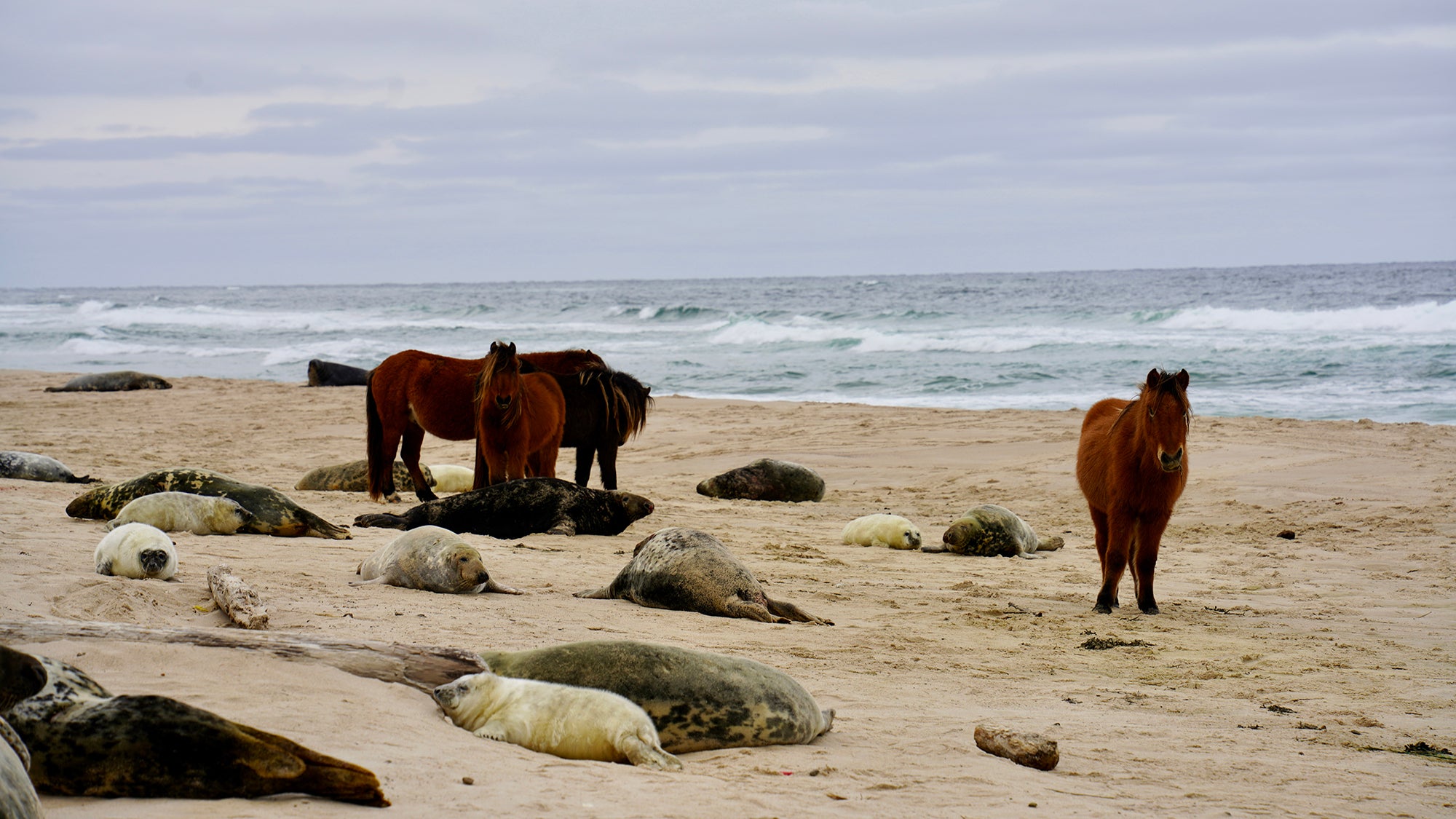
On the stunning shores of Sable Island, gray seals and wild horses can be observed mingling together, providing a unique opportunity for researchers to study their behavior in a natural setting.
Iron Levels and Seal Pup Health
Researchers have discovered a correlation between iron levels in seal pups and their dive capacity. By examining this connection, scientists hope to shed light on how iron influences the health and survival rates of these marine mammals.
The Significance of the Study
Understanding the impact of iron levels on seal pup health is crucial for conservation efforts. By gaining insight into how iron affects diving abilities and survival rates, researchers can develop strategies to protect and preserve the seal population.
Sharing Insights
Share this fascinating research on the connection between iron levels and seal pup health on social media to spread awareness about the importance of studying marine wildlife and their unique environmental needs.
The migration of gray seals to Sable Island is an annual phenomenon that sees around 500,000 seals gather on this remote sandbar located 200 miles off the coast of Nova Scotia. During their time on the island, the seals engage in activities such as resting, molting, giving birth to their pups, and breeding. Surprisingly, the seals face few predators on the island, although they do share their habitat with a population of wild horses that have been living there freely for years.
Michelle Shero, a marine biologist from Woods Hole Oceanographic Institution, along with her team, is currently conducting an in-depth study of the gray seals on Sable Island. Their research focuses on the iron intake of mother seals and how it influences the diving capabilities and survival rates of their pups. Despite the exponential growth in the gray seal population on Sable Island in recent years, approximately 90 percent of seal pups do not survive their first year. The research team attributes this high mortality rate to increased competition for food among the seals.
To gain insights into the work being done by Shero and her colleagues, take a look at the captivating images captured during their study. The images showcase the picturesque landscape of Sable Island, with its horses grazing by the shore against the backdrop of a stunning sunset.
Through their research, Shero and her team aim to shed light on the factors contributing to the high mortality rate of gray seal pups on Sable Island. By understanding the impact of diet on the diving abilities and survival rates of seal pups, the researchers hope to develop conservation strategies that can help mitigate the challenges faced by these marine mammals in their natural habitat.The researchers’ ATV offers a stunning view while conducting population monitoring on the island.
On the shores of Sable Island, seals and horses peacefully coexist. In the backdrop stands the old lightkeeper’s house where the research team resides.
Among the captivating scenery of Sable Island are horses and gray seals lounging together.
Sable Island is home to a diverse range of wildlife, including seals and horses living harmoniously on the island’s shores. The research team stays in the old lightkeeper’s house, conducting population monitoring activities to better understand the unique ecosystem of Sable Island.Exploring the Diverse Wildlife of Sable Island
A captivating scene unfolds on the sandy shores of Sable Island, where majestic horses and curious gray seals coexist harmoniously. Marine biologist Michelle Shero, in collaboration with the Canada Department of Fisheries and Oceans, embarks on a research journey funded by the National Science Foundation, alongside partners from Texas Tech University and the University of Alaska.
Encountering the Unexpected
As Shero sets out to collect health data on a gray seal pup, she is met with unexpected equine spectators observing her every move with curiosity. This unique interaction between terrestrial and marine inhabitants sheds light on the interconnectedness of ecosystems and the diverse wildlife that call Sable Island home.
A Tapestry of Collaboration
The research efforts on Sable Island epitomize the power of collaboration across disciplines and institutions. By joining forces with scientists and experts from different backgrounds, Shero and her team are able to weave together a comprehensive understanding of the island’s biodiversity and ecological dynamics.
Unveiling Nature’s Wonders
Through their work, Shero and her colleagues unveil the intricate tapestry of nature’s wonders on Sable Island. From the graceful movements of horses to the playful antics of gray seals, each interaction offers a glimpse into the rich tapestry of life thriving in this remote habitat.
Embracing the Unexpected
In the midst of their research endeavors, Shero and her team embrace the unexpected encounters and surprises that await them on Sable Island. These moments of connection and discovery highlight the beauty and complexity of the natural world, inspiring a sense of wonder and appreciation for the diverse wildlife that flourishes in this unique environment.
Diving Deeper into Exploration
As Shero delves deeper into her research, she is driven by a sense of curiosity and exploration that fuels her passion for uncovering the secrets of Sable Island’s ecosystem. Through her dedication and determination, she opens new doors to understanding the intricate relationships between terrestrial and marine life in this remote paradise.
In conclusion, the research conducted by Shero and her team offers a glimpse into the captivating world of wildlife on Sable Island. By showcasing the beauty and diversity of this unique ecosystem, they inspire a sense of awe and wonder in all who encounter the wonders of nature’s interconnected web.