


When I was 28, I had my first taste of traditional balsamic vinegar in Italy on my honeymoon. In Modena, we visited a place that was home to Parmigiano-Reggiano, Parma ham, and tortellini, but also, the famous balsamic vinegar.
Balsamic vinegar has a long history, dating back to the 11th century, and today, the production of traditional balsamic vinegar, or Aceto Balsamico Tradizionale D.O.P, is highly regulated.
My husband and I learned about the careful aging process of balsamic vinegar at the Acetaia Malagoli Daniele, and how it’s best used as a finishing touch to dishes. The experience changed everything I thought I knew about balsamic.
These vinegars were velvety and glossy, like chocolate syrup—a complex combination of sweet, smoky, fruity, and tart. This vinegar is not for cooking, we were firmly told. Like the best olive oil, it’s used only for finishing—on fruit, cheese, and even desserts.
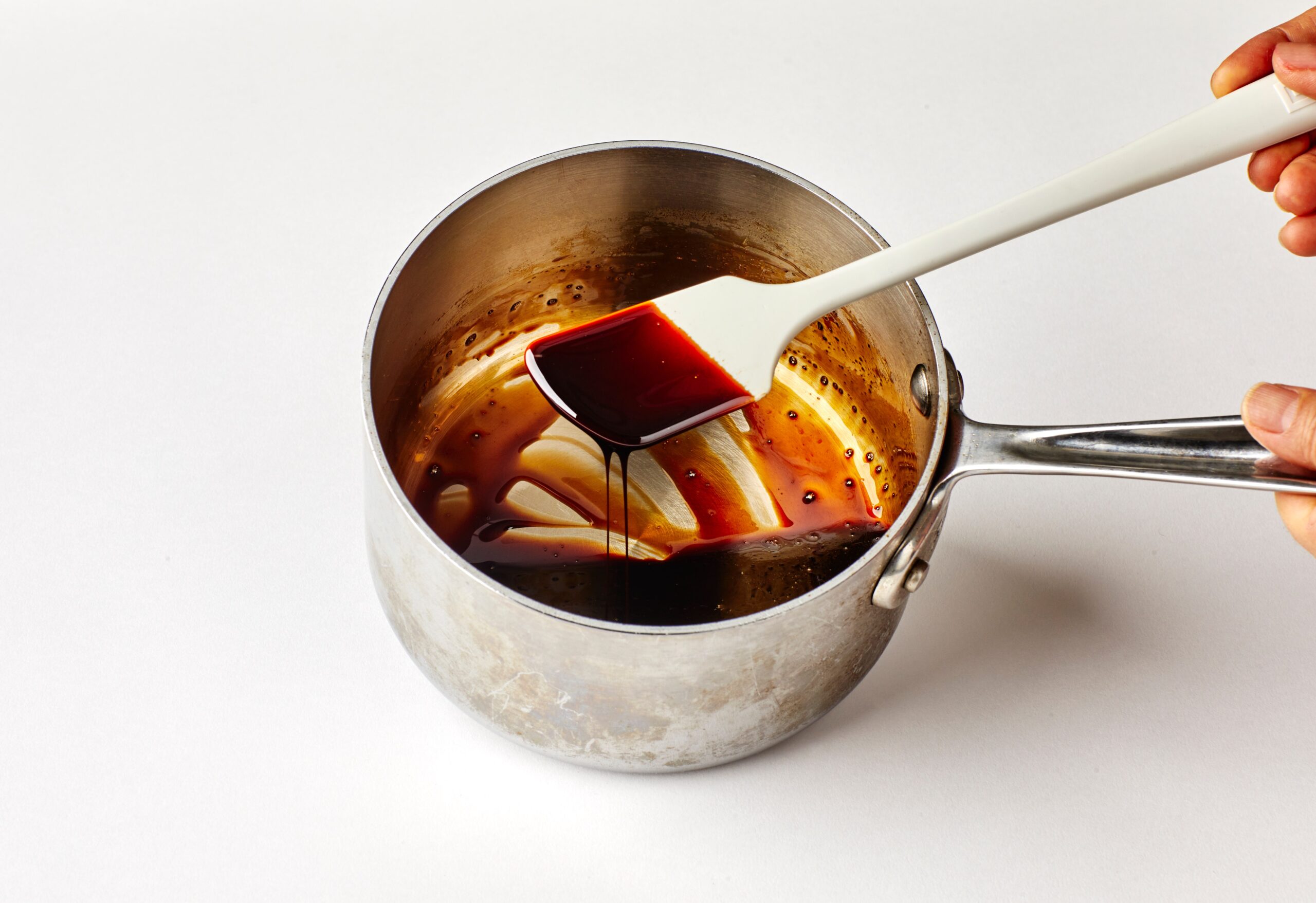
On this side of the Atlantic, balsamic vinegar generally comes in two types: the thin, highly acidic addition to dressings and vinaigrettes, and the thick, sugary balsamic glaze. But when I’m craving the real thing, I’ll make a balsamic reduction.
To call this a recipe would be a stretch. It’s a simple process of cooking down lower-quality balsamic vinegar to concentrate its flavor and texture. The result is sweeter and the right kind of syrupy. I drizzle it over butter-slicked stuffed pastas, roasted vegetables, bitter lettuces, and pretty much any cheese.
If you want to learn how to make a balsamic reduction, you can find the recipe here.