


Autism charities are important organisations. They provide essential services for autistic people, influence policy decisions, and often speak on behalf of autistic people.
This means that how these charities write about autistic people may influence how society understands what it means to be autistic. The words and pictures that autism charities choose to use affect how autistic people are understood, perceived and cared for. This really matters, as autism is still often stigmatised.
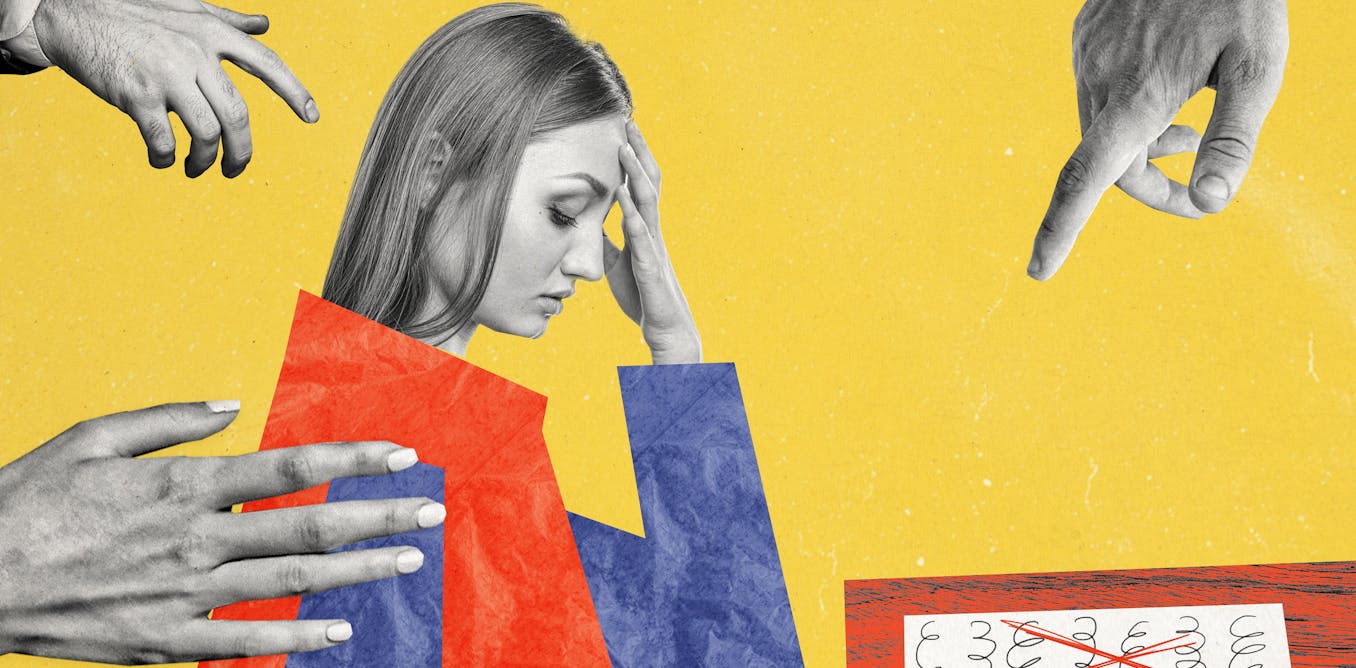
Our recent study shows that the language and images large autism charities use mainly portray autistic people as a problem. In contrast, charities represent themselves as the solution to this problem.
In England and Wales, different kinds of charity organisation are crucial providers of public services. Charities are often seen by government as the best way to meet the needs of less-heard or underserved groups, including autistic people. Some receive specialist care and education services from autism charities.
These charities also influence policy discussions and decisions. Research conducted by autism charities is regularly mentioned in parliament. The NHS refers autistic people and their carers looking for support to both national and local charities.
Previous research has shown how certain types of charities (particularly large international development charities) describe the people they are seeking to support in developing country communities in negative and problematic ways. People are often portrayed as “passive”, “voiceless” and “(culturally) backward”.
Similarly, a small amount of research demonstrates that autism charity advertising and websites consistently convey negative portrayals of autistic people. For example, one previous study describes how an advert for a UK charity depicted autism as “a child-enveloping monster that had to be destroyed to allow a boy to live a normal life”.
How we conducted our research
For our study, we identified the largest autism charities in England and Wales. We used data held by the Charity Commission to identify charities with incomes of £10 million or more and that only provided support to autistic adults, children or both. There were 11 charities that met these criteria. Then, we downloaded the most recent annual reports and accounts for these charities.
We explored how autism charities described autistic people, themselves and the government. We used critical autism studies – which seeks to question stereotypes, and views autism as a difference rather than a disorder – as an approach to evaluate and explain the reports, and suggest how things could be improved.
We found that autistic people are largely portrayed as problems, as challenging and as a burden. Autistic people are frequently depicted as being needy and infantile. Every single charity depicts autistic people as needing to change. Autistic people, they say, should be more communicative or resilient.
Read more:
Why the autism jigsaw puzzle piece is such a problematic symbol
We think that the use of this kind of language and imagery has negative consequences for wider societal attitudes towards autistic people.