

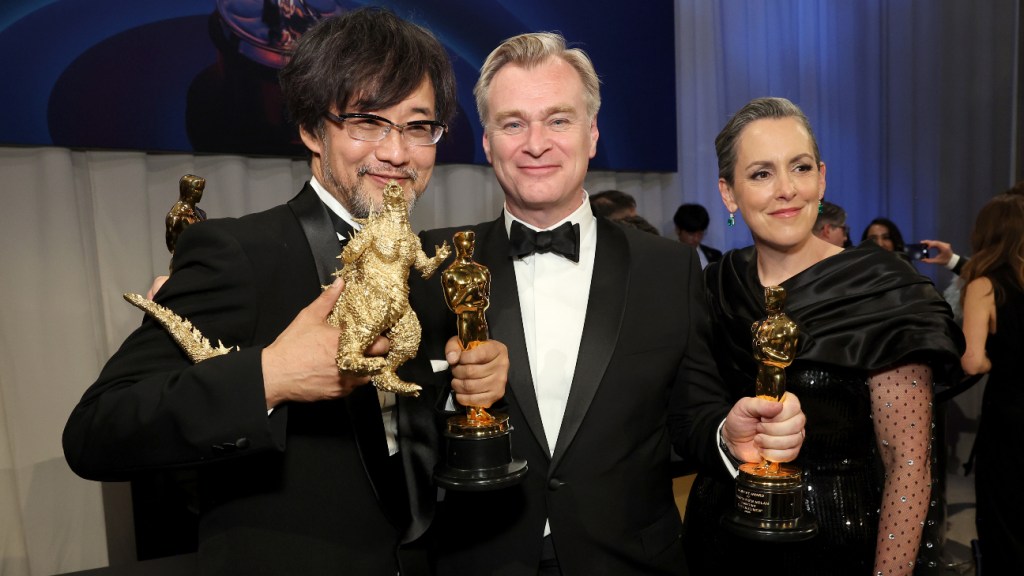
The Unexpected Connections Between “Oppenheimer” and “Godzilla Minus One”
Although they may seem worlds apart, Christopher Nolan’s thought-provoking Oppenheimer and Takashi Yamazaki’s action-packed Godzilla Minus One share a common theme that has captured the attention of fans during this year’s awards season. Both films delve into the haunting repercussions of nuclear warfare, sparking discussions on the impact of such destructive power.
A Legacy Defied: Godzilla’s Historic Oscar Win
Yamazaki made history by securing the first Oscar win for the iconic Godzilla franchise, triumphing in the best visual effects category over notable Hollywood contenders. This achievement not only marked a milestone for Japanese cinema but also highlighted the enduring appeal of the beloved kaiju character on a global stage.
A Twist of Fate: Unintentional Parallels
Reflecting on the unexpected resonance between Oppenheimer and Godzilla Minus One, Yamazaki expressed how the evolving global landscape influenced the creation and release of both films. While these thematic similarities were coincidental, they underscored the profound impact of historical events on storytelling and cinematic expression.
A Tumultuous Journey to Recognition
Amidst controversies and delays, Oppenheimer faced setbacks in its Japanese release, prompting critical dialogue and reflection within the entertainment industry. The decision to distribute the film through independent channels signaled a conscientious approach to honoring the sensitive historical context and cultural significance of the subject matter.
An Ongoing Dialogue: A Writer’s Response
Yamazaki’s vision for a future project exploring the legacy of the atomic bombings in Japan reflects a personal and artistic commitment to addressing complex historical narratives. By considering Oppenheimer as a catalyst for introspection and creative dialogue, Yamazaki envisions a cinematic tribute that transcends borders and resonates with audiences on a profound level.
Godzilla Minus One offers a unique perspective on the legendary kaiju, inviting audiences to revisit its origins and reimagine its impact within a historical context that echoes themes of destruction and rebirth.