


Is the 2024 Atlantic Hurricane Season Predicted to Be Particularly Active?
Forecasters are already looking ahead to the 2024 Atlantic hurricane season, which is set to officially begin in two and a half months and reach its peak in about six months. While official predictions have not been made yet—the National Oceanic and Atmospheric Administration (NOAA) will not release their forecast until May 23—experts interviewed by National Geographic are warning that conditions are ripe for an active season.
The Formation of Hurricanes
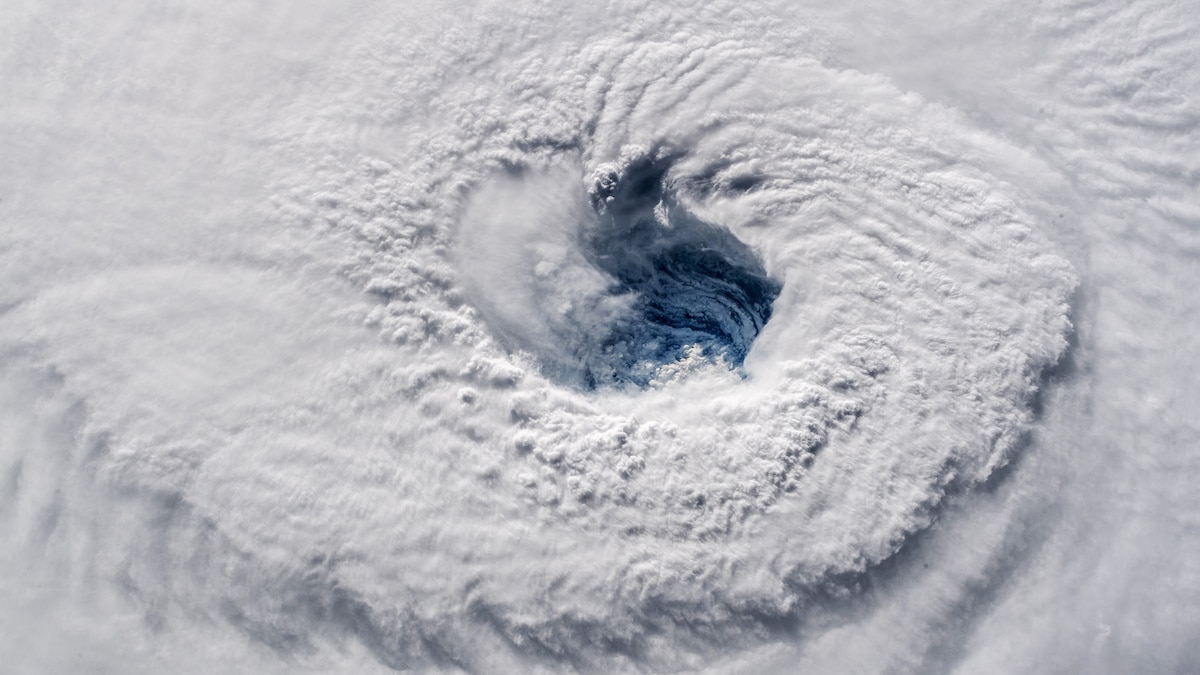
The formation of hurricanes, typhoons, and cyclones relies on warm ocean temperatures and low wind shear. Wind shear occurs when winds at different levels in the atmosphere change direction and speed, disrupting the vertical development of tropical cyclones. Alex DaSilva from AccuWeather explains that tropical storms thrive when their cloud structures can grow vertically into the atmosphere. However, wind shear hinders this vertical growth, preventing tropical systems from strengthening.
Additionally, hurricanes require surface water temperatures of at least 79 degrees Fahrenheit (26 Celsius) to fuel their development. Warm water and air create a cycle where warm air rises, creating a low-pressure system beneath the storm that draws in more warm air, fueling the storm’s growth. The intensity of a hurricane is also influenced by the warmth of the ocean’s top 330 feet, as a large reservoir of warm water sustains the storm’s energy.
Record-Breaking Warm Waters
Hurricane season officially spans from June 1 to November, with peak activity typically occurring from August to October. Forecasters are concerned about the upcoming season due to record-high sea surface temperatures in the tropical Atlantic region. Temperatures are currently 1.2 degrees Celsius (2.2 F) above normal in the main development region of the Atlantic, from the coast of Africa to Central America, setting a record for February.
In Conclusion
As we approach the 2024 Atlantic hurricane season, the combination of warm sea surface temperatures, low wind shear, and other meteorological factors are setting the stage for a potentially active season. It is crucial for communities in hurricane-prone areas to stay informed and prepared for any potential threats that may arise.