


Testosterone’s Effect on Fracture Risk in Men with Hypogonadism
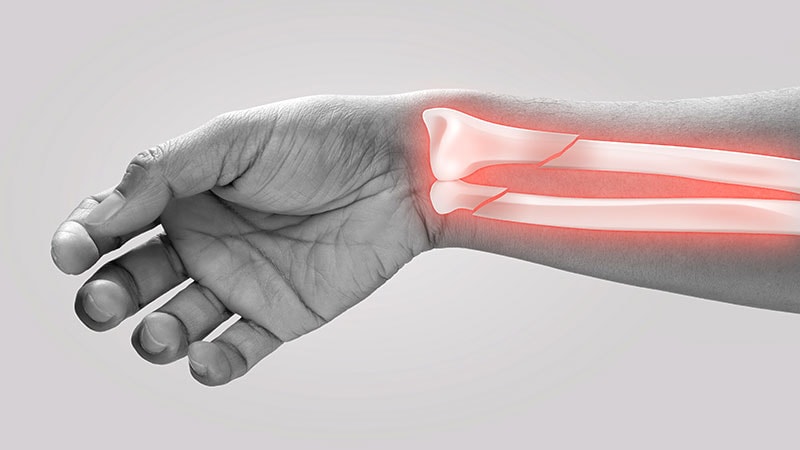
Despite previous findings suggesting that testosterone has positive effects on bone health, a new study has revealed surprising results. The study reported an increased risk of fractures in men with hypogonadism who were treated with testosterone, as compared to those who received a placebo. The fractures were most commonly found in areas with low bone mineral density (BMD).
According to the authors, these findings were unexpected as testosterone was believed to improve bone structure and quality. The increased fracture risk associated with testosterone treatment in middle-aged and older men with hypogonadism should be carefully considered in relation to the potential benefits and other risks of the treatment.
Dr. Bradley D. Anawalt called the study “very important” due to its large scale and extended duration. The study is the first of its kind to assess the impact of increasing testosterone levels on the risk of fractures in men over the age of 60.
Researchers have long recognized testosterone’s role in increasing bone mineral density and peak bone mass. However, comprehensive, long-term studies on the relationship between testosterone treatment and fracture risk have been limited.
This concern prompted Peter J. Snyder, MD, and his team to conduct a subtrial of the TRAVERSE study to explore the risk of fractures in men treated with testosterone. The study involved 5204 participants and revealed that testosterone was associated with an increased risk of atrial fibrillation, pulmonary embolism, and acute kidney injury. The participants were men with a median age of 64 and had hypogonadism.
When defining hypogonadism, participants were required to have two morning testosterone concentrations of less than 300 ng/dL in fasting plasma samples obtained at least 48 hours apart, in addition to one or more symptoms associated with hypogonadism. The majority of the participants were obese, with a mean body mass index of 35.