

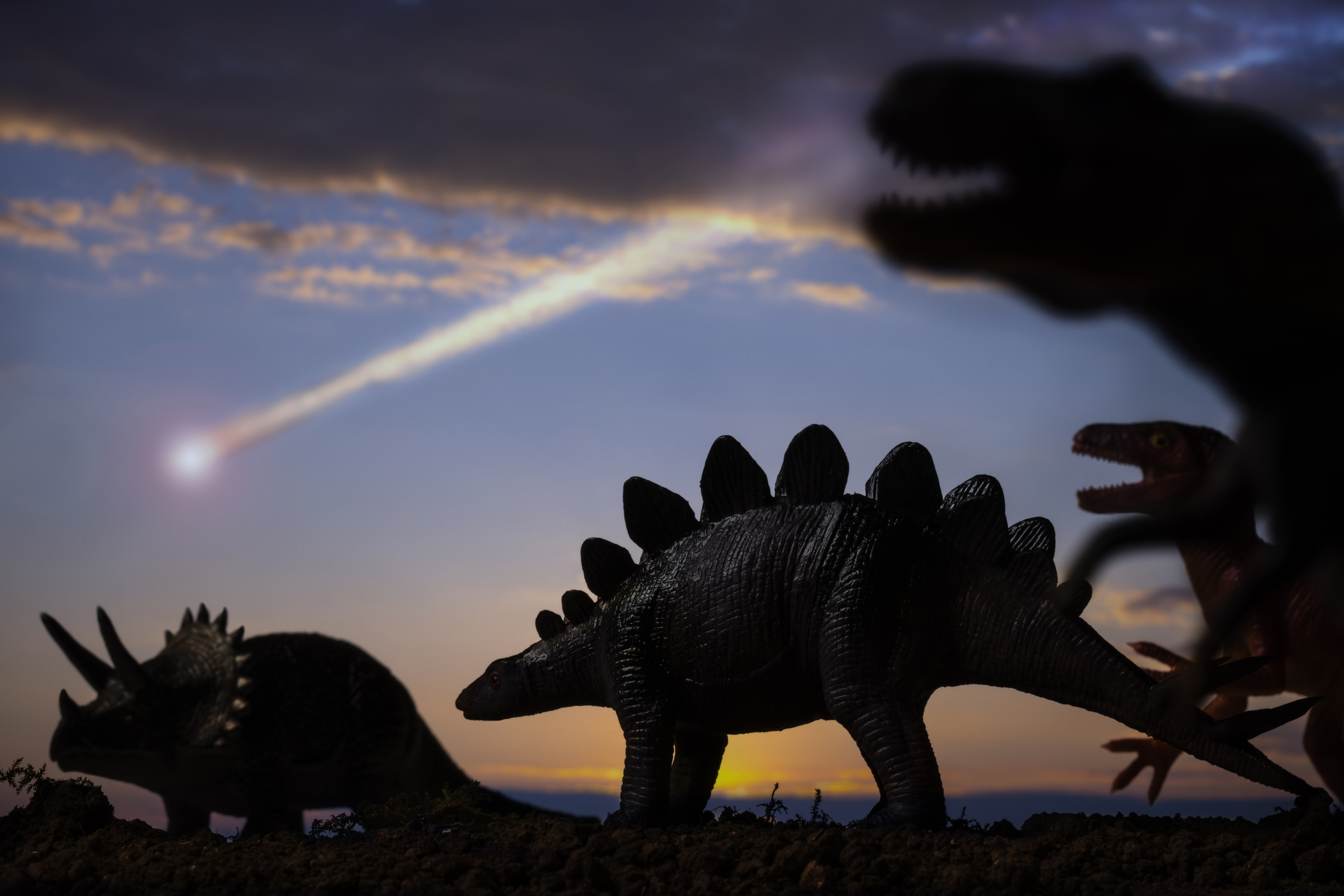

Did you know that when a 6-mile-wide asteroid struck Earth at the end of the Cretaceous period some 66 million years ago, it wiped out the majority of living organisms? It was a massive event and many victims were instantly fried by fires or drowned in tsunamis. But many survived, and eventually repopulated the planet. Every living thing today is descended from the resourceful (or lucky) few who found ways to eke out an existence in that apocalyptic landscape! How did those organisms persist long enough to see the world through to better days?
The tale of survival is fascinating! The animals with the best shot at lasting through those initial hours were the ones who could escape to cooler environments, according to research by Douglas Robertson and his colleagues. As for the survivors, their trials were far from over, and shelter was no guarantee of long-term security. As soon as they emerged, they had to confront a land ravaged by wildfires and soon to be shrouded by “impact winter” as a result of dust, soot and other atmospheric particles blocking the sun. Read more about how some animals thrived in the aftermath of the asteroid impact here!