

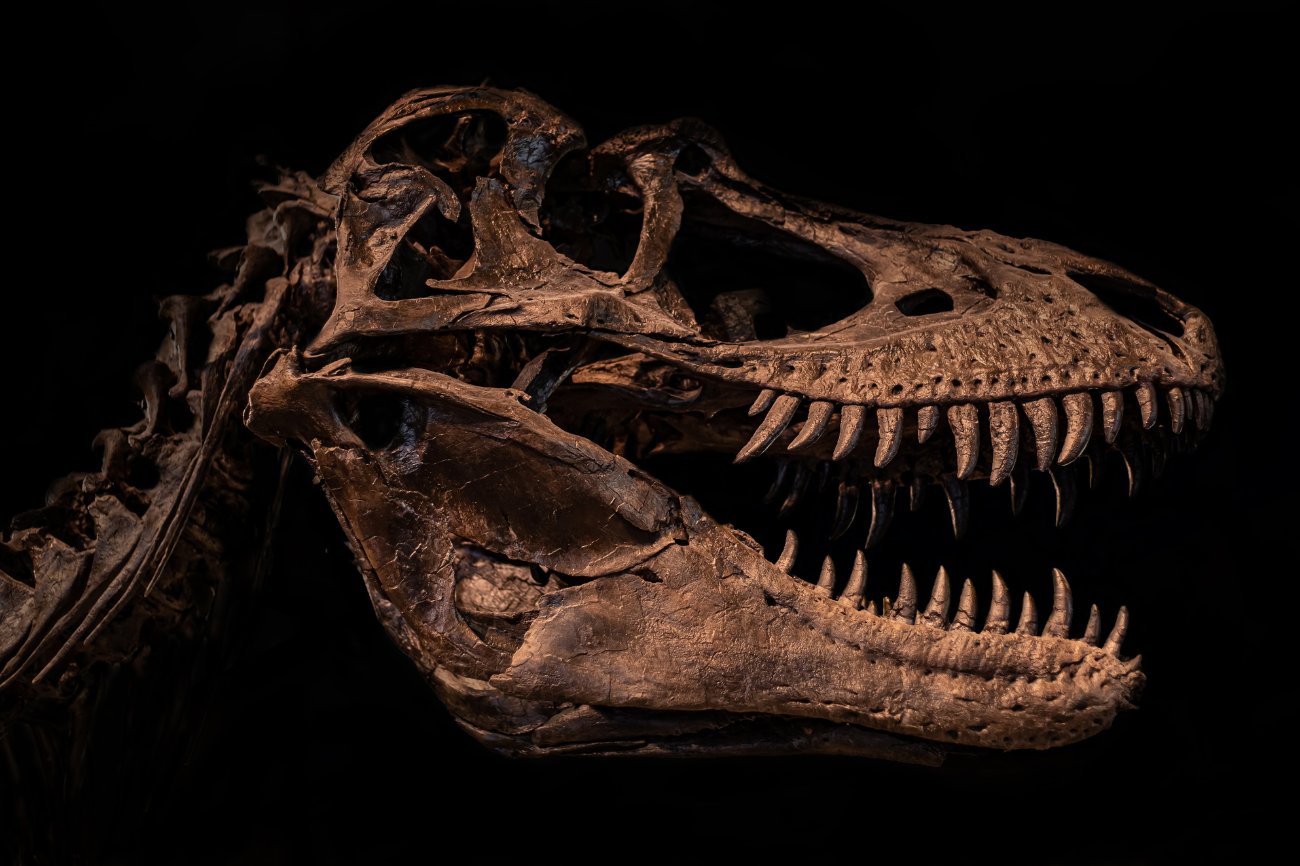

2024 marks two centuries since the breathtaking discovery of the Megalosaurus, a pivotal moment that launched our fascination with the age of dinosaurs. Learn how this tremendous find reshaped our understanding of Earth’s ancient past.
This landmark unearthed not only unveiled these colossal prehistoric creatures but also paved the way for an array of subsequent discoveries that have deepened our insight into the prehistoric era. Today, we marvel at the wealth of knowledge about the time of dinosaurs.
Over 1,000 dinosaur species have been identified, enlightening us about the era when these creatures reigned for an astounding 165 million years before disappearing 66 million years ago. Birds, as it turned out, are a branch of the dinosaur family tree, and some species may have sported feathers.
But this wealth of knowledge is quite recent considering that humans only discovered the existence of dinosaurs in the 19th century. Just as we once believed the Earth was flat, and the sun orbited our planet, the existence of mega beasts roaming before us was previously unimaginable.
Oxford theologian and geologist William Buckland was the first to uncover a dinosaur, naming it the Megalosaurus in 1824. Dive deeper into this groundbreaking discovery and Buckland’s initial findings.
Surprisingly, Buckland was a creationist, challenging his own beliefs with the uncovering of these ancient remains. This awe-inspiring discovery later led to the coining of the term “dinosaur” in 1842 by Sir Richard Owen, who named this group of fossils Dinosauria, meaning “terrible lizard.”
Exploring more about the Megalosaurus, this fearsome theropod is believed to have roamed the Earth during the Middle Jurassic period. Learn more about its tremendous impact on our understanding of prehistoric creatures.