

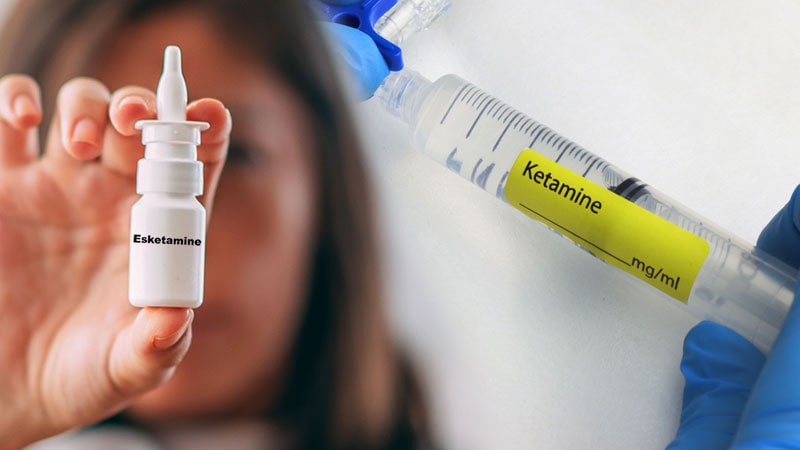

In the most recent years, there has been a surge in media coverage on the effectiveness of ketamine as a treatment for severe depression. This is partly due to the approval of esketamine (Spravato) by the US Food and Drug Administration (FDA) in 2019, marking it as the first antidepressant in a new drug class for treatment-resistant depression (TRD).
However, Lisa Harding, MD, former vice president of the American Society of Ketamine Physicians, has emphasized that media reports often overlook the crucial differences between ketamine and esketamine, leading to confusion among patients and clinicians alike.
While both are chemical relatives, they are distinct in terms of their chemical compositions, FDA-approved indications, dosing, and administration, as well as the level of study and data supporting their safe and effective use.
Ketamine is an anesthetic, used for inducing and maintaining anesthesia. It is not indicated for major depressive disorder (MDD) or TRD. On the other hand, esketamine is FDA-approved for adults with TRD and suicidal thoughts or actions in combination with an oral antidepressant.
Esketamine has been administered intranasally and has a “well-studied, proven safety and efficacy profile.” Unlike ketamine, its prescription is strictly limited to a physician’s office under a mandatory Risk Evaluation and Mitigation Strategy program.
The US has seen a rapid increase in the number of ketamine clinics treating depression, as a result of relaxed DEA guidelines introduced during the pandemic. However, Harding has warned against using ketamine lozenges, as there is no evidence to support that method of administration.
She underscored the need for a trained mental health expert to complete a psychiatric assessment for potential patients of ketamine and esketamine treatment. There are calls for increased regulation and oversight in the rapidly changing landscape of ketamine as both a medical therapeutic and recreational substance.