


March 4, 2024, 9:28 AM UTC / Source: The Associated Press
Wildfires Ravage Northern Texas Panhandle, Largest Fire in State History
Strong gusts of wind fueled flames that spread rapidly on Sunday, forcing evacuations as firefighting efforts intensified in northern Texas. Airplanes were called in to drop fire retardant over the region in an attempt to contain the Smokehouse Creek Fire, which has now scorched over 1 million acres, with only 15% containment reached by Sunday afternoon. Two additional fires have charred a combined 180,000 acres, with a slightly higher containment rate of 60%.
The exact cause of the fires remains unknown, however, the combination of strong winds, dry grass, and unusually warm temperatures played a significant role in facilitating the rapid spread of the blazes. A series of fires have collectively burned through more than 1,900 square miles of rural areas surrounding Amarillo, extending into neighboring Oklahoma.
Homeland Security Secretary Alejandro Mayorkas acknowledged the severity of the situation by confirming that the federal government has allocated funds, equipment, and personnel to support firefighting operations. Mayorkas also issued a cautionary statement, alerting the public about the potential for more extreme weather conditions in the near future.
In a recent interview with CNN, Mayorkas emphasized the urgency of preparing for the escalating impacts of extreme weather patterns brought about by climate change. Given the current circumstances, it is paramount that both the nation and the world at large come together to mitigate the effects of this remarkable phenomenon.
The National Weather Service issued red flag warnings across various regions in the central United States, including Texas, New Mexico, and Oklahoma due to the heightened risk of wildfires as a result of warm temperatures, low humidity levels, and strong winds. States like Nebraska, Iowa, Kansas, Missouri, and South Dakota are also on high alert, with portions of Colorado, Wyoming, Minnesota, and Illinois falling under red flag warnings.
The spread of the fires prompted the evacuation of Sanford, a small Texas town, with just over 100 residents. Humanitarian organizations have shifted their focus towards assisting individuals who have suffered losses of property and livelihoods due to the wildfires. Efforts to provide relief and support to affected families are underway, with donations ranging from $25 to $500 proving to be crucial for organizations like the Hutchinson County United Way Wildfire Relief Fund.
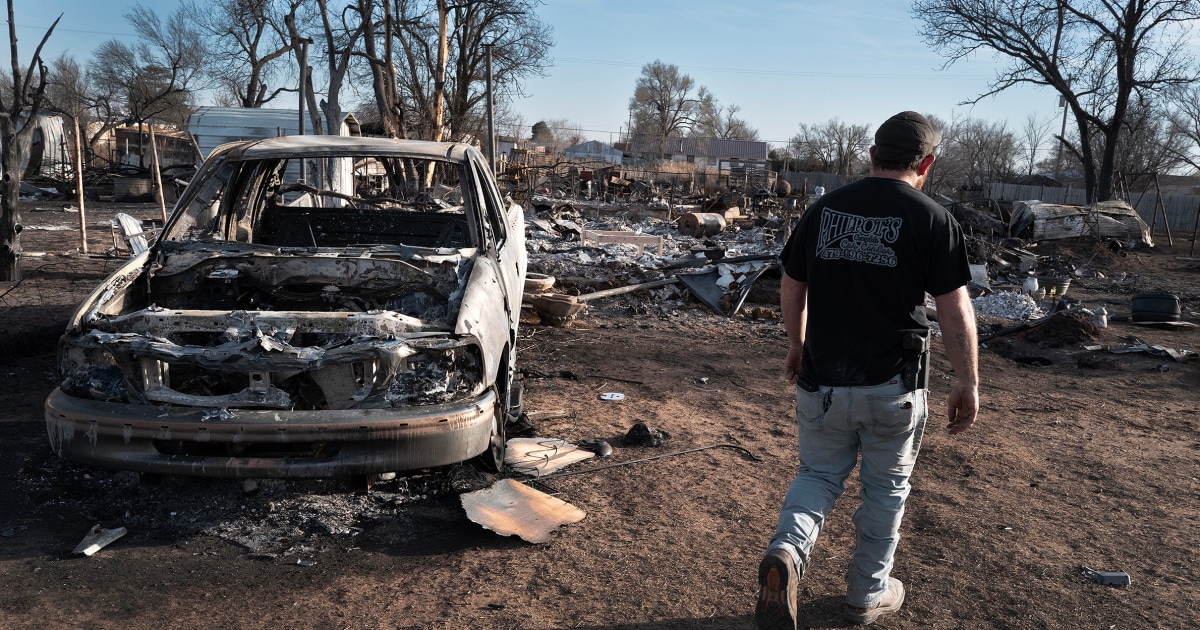
The devastating impact of the fires is evident as residents begin to assess the damage and come to terms with the losses incurred. As the firefighting continues and communities grapple with the aftermath, it is imperative for everyone to come together in unity to provide assistance and aid to those in need during these challenging times.