

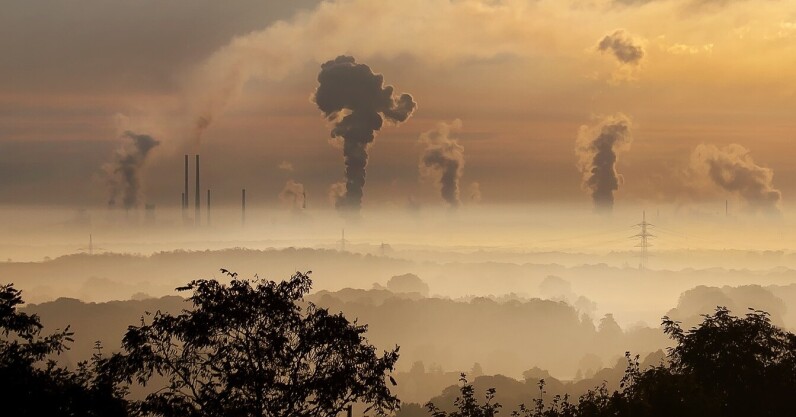

In a move that has sparked widespread criticism from scientists and politicians alike, the UK government has approved plans to install carbon capture technology at Britain’s largest power plant.
Under the plans, power generator Drax will install so-called bioenergy with carbon capture and storage (BECCS) technology at two of four biomass units at the Drax power station in Yorkshire.
Drax switched from burning coal to burning biomass — mostly wood pellets — in 2019. The Drax power station, which produces around 4% of the UK’s power, mostly burns wood imported from North America.
Despite the switch, the plant was identified last year by climate think tank Ember as the country’s single largest CO2 emitter and sparked significant controversy.

The <3 of EU tech
The latest rumblings from the EU tech scene, a story from our wise ol’ founder Boris, and some questionable AI art. It’s free, every week, in your inbox. Sign up now!
Critics have challenged Drax’s claims of climate neutrality, in light of the CO2 emissions from the wood it burns. Interaction with independent consultants has left skeptics unconvinced about the proposed carbon-negative designation and scale of anticipated CO2 reduction.
The power station aims to become the world’s largest carbon capture plant and the first to achieve a “carbon-negative” status upon installation of the BECCS technology. This ambitious endeavor is arguably the most controversial and eagerly anticipated environmental initiative of 2030.
Proponents of the project, including Drax Group CEO Will Gardiner, emphasize the potential cost savings, magnitude of carbon offset, and the substantial benefits to the UK’s energy security. However, these bold claims have led to increasing scrutiny and skepticism.
Drax’s carbon capture achievement hinges on the successful implementation of BECCS in 2030.
How will it work?
BECCS resembles a giant lid atop a power plant, capturing emissions and storing them underground. Upon burning wood pellets, flue gas containing emitted carbon dioxide would be cooled and treated before being sent through an absorption tower to remove the greenhouse gas.
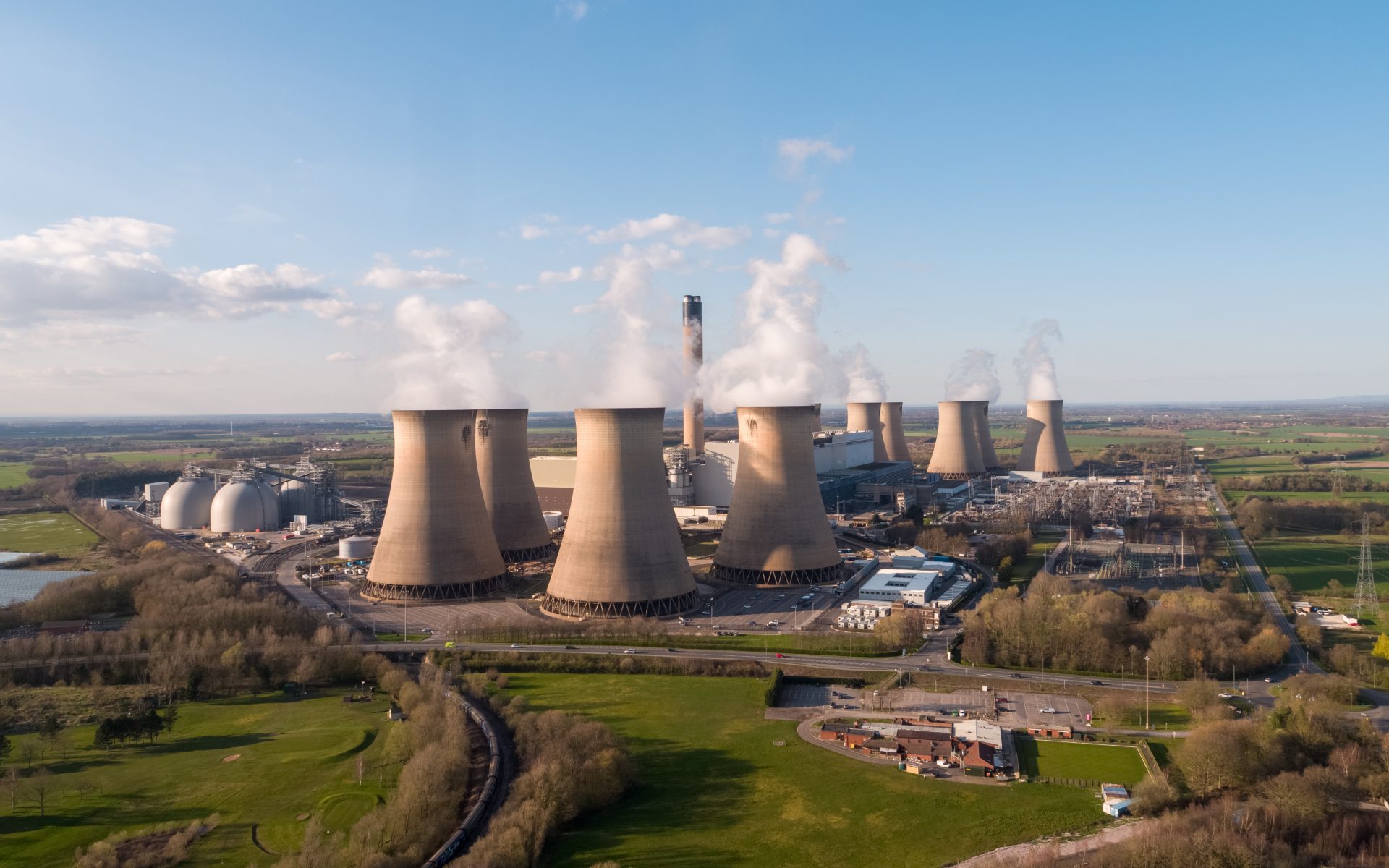 The Drax power station was the UK’s top emitter in 2023 despite its recent switch from burning coal to wood. Credit: Drax
Within this absorption tower, the cooled and treated gas would be subject to a chemical reaction using amine solvent, which is a compound of ammonia.
The resultant substance would then be reheated to create a pure stream of carbon dioxide, which would subsequently be transported via repurposed pipelines to be stored beneath the North Sea.
The innovative and ecologically significant BECCS initiative is projected to require about £2bn, a significant portion of which must be contributed by the British government.