

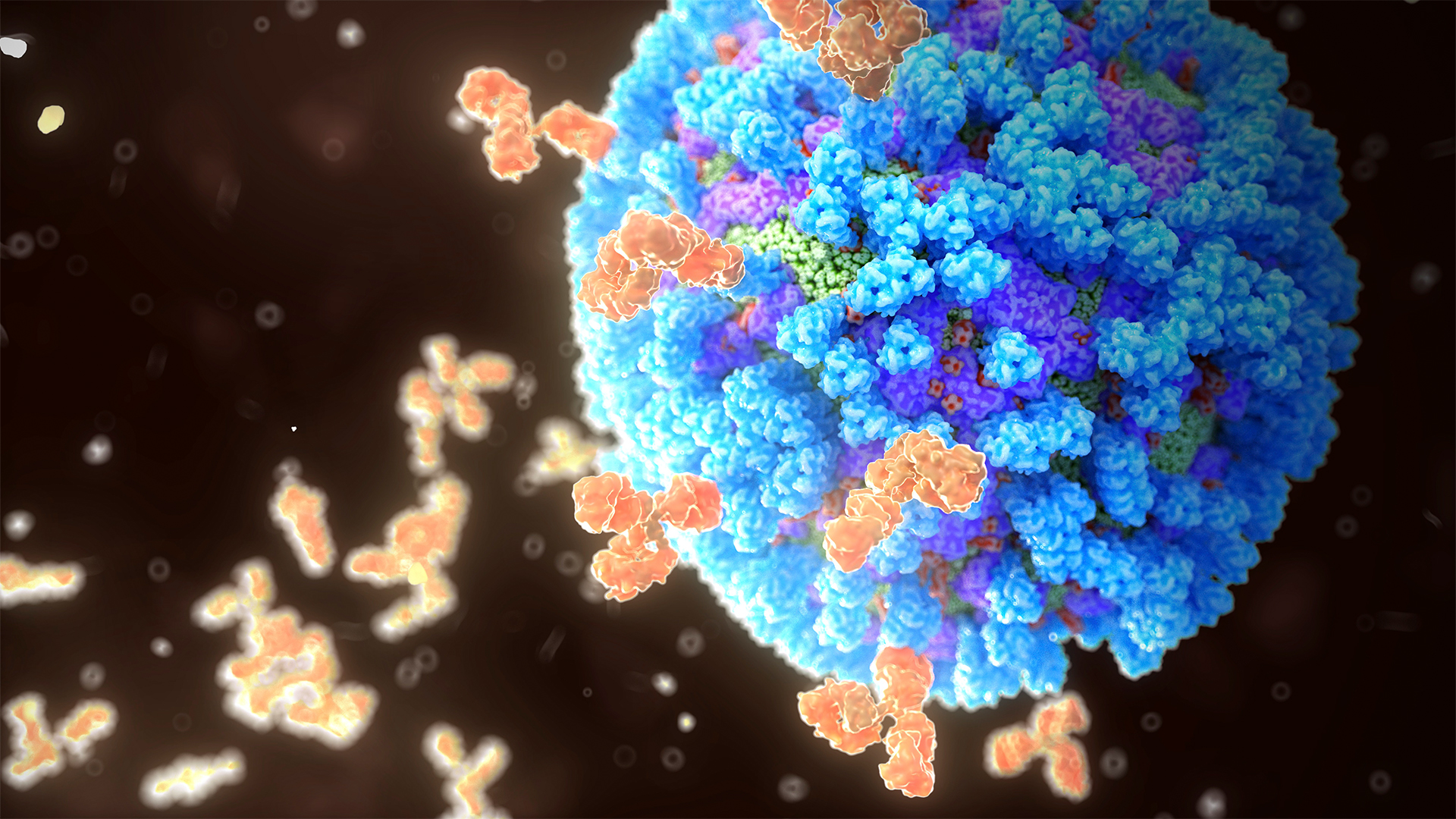

Uncovering Antibodies that Target the “Dark Side” of the Flu Virus
Recent research has brought to light antibodies that specifically target the hidden underbelly of the flu virus. Unlike the well-known hemagglutinin (HA) structure that most flu vaccines target, this discovery focuses on the lesser-explored neuraminidase (NA) protein, which has been dubbed the “dark side” of the flu virus. A study published in the journal Immunity on March 1 shed light on this groundbreaking development.
The NA protein, with its mushroom-like shape, plays a crucial role in helping flu viruses navigate to host cells and exit them after replication. Unlike HA, NA mutates at a slower rate and remains relatively consistent across different flu strains. This stability presents an opportunity for researchers to develop antiviral drugs and vaccines that can combat a broad spectrum of flu viruses.
In contrast to the rapidly mutating HA protein, the dark side of NA offers a more stable target for antiviral interventions. By inhibiting NA, drugs like Tamiflu can limit the virus’s ability to escape infected cells. However, mutations in NA can lead to drug resistance, highlighting the need for alternative approaches to combat flu viruses effectively.
While previous studies have identified only a few antibodies that target NA, a recent study by the National Institutes of Health (NIH) uncovered six antibodies that specifically bind to the dark side of NA. These antibodies demonstrated efficacy against multiple flu strains, including H3N2 and H2N2. In mice experiments, these antibodies provided significant protection against lethal doses of H3N2 virus, suggesting their potential for preventing and treating influenza in humans.
The promising results of this study highlight the importance of exploring novel targets for antiviral therapies. By focusing on the “dark side” of the flu virus, researchers may pave the way for more effective treatments that can combat a wide range of flu strains. This discovery opens up new possibilities for developing next-generation antiviral drugs and vaccines that offer enhanced protection against seasonal influenza outbreaks.