

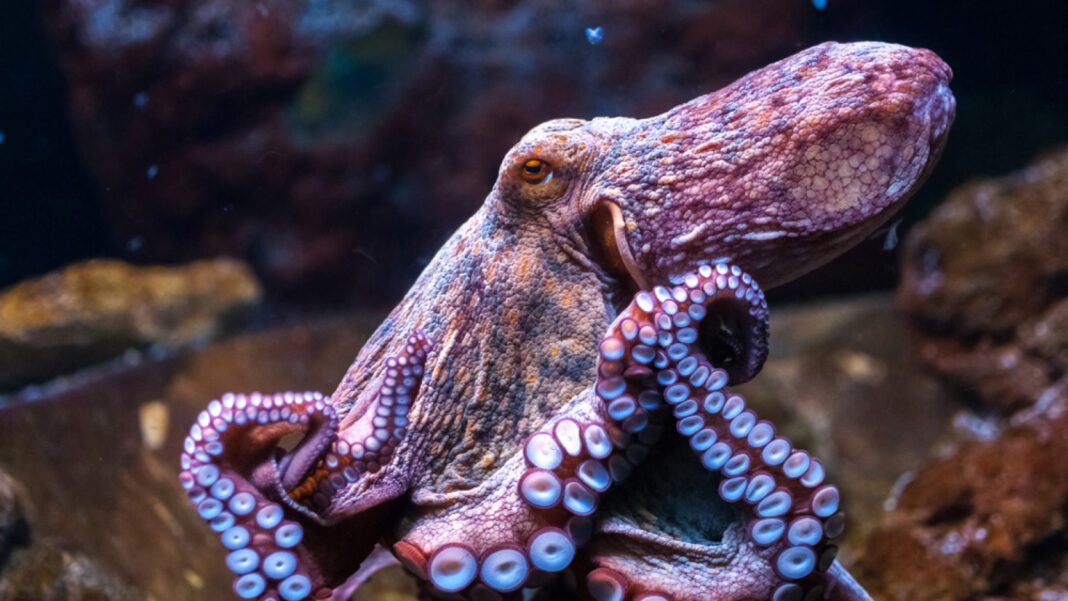
Ancient Sex Chromosomes in Octopuses and Squids Uncovered
Scientists have recently uncovered the oldest known sex chromosome in animals, dating back between 248 million and 455 million years. The discovery was made in octopuses and squids, suggesting that these creatures may have been among the first to determine their sex through genetic information rather than environmental factors.
Evolution of Sex Chromosomes
While sex chromosomes are common in mammals like humans, where males typically have one X and one Y chromosome and females have two X chromosomes, the existence of sex chromosomes in other species has been less clear. Cephalopods, which include squids and octopuses, have diverse reproductive strategies, including hermaphroditism and sequential hermaphroditism.
Research Breakthrough
In 2015, researchers completed the full gene sequence of the California two-spot octopus, revealing a potential sex chromosome. Further analysis by biologist Andrew Kern and his team at the University of Oregon confirmed that chromosome 17 in octopuses determines sex, with females possessing one copy and males having two copies.
Comparative Genomics
By comparing the octopus genomes to those of other cephalopod species like squid and the chambered nautilus, researchers found the ZZ/Z0 pattern was unique to octopuses and squids, suggesting the evolution of sex chromosomes in these animals. This distinction was not observed in the more distantly related nautilus species.
Implications of the Study
The discovery of sex chromosomes in octopuses and squids sheds light on the evolution of genetic sex determination in animals. These findings provide valuable insights into the reproductive biology of cephalopods and the genetic mechanisms underlying sex determination in diverse species.
Conclusion
By unraveling the mysteries of ancient sex chromosomes in octopuses and squids, scientists have gained a deeper understanding of the evolutionary history of genetic sex determination. This groundbreaking research highlights the importance of studying diverse organisms to uncover the complexities of reproductive biology and genetic diversity in the animal kingdom.