

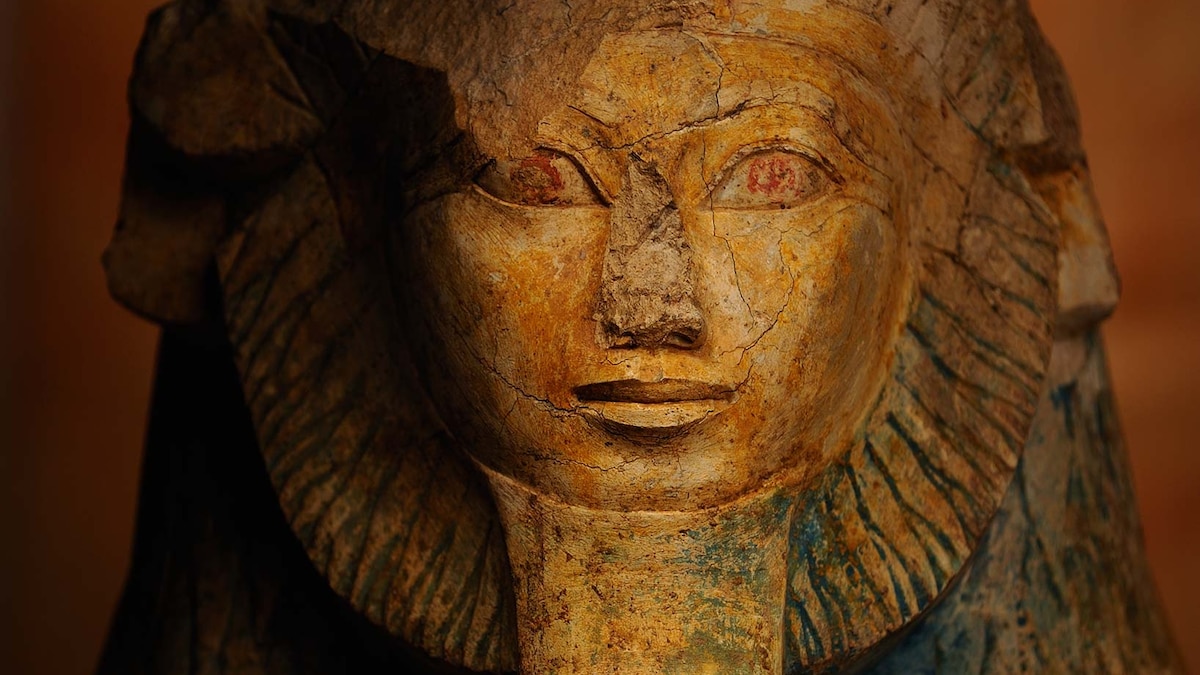

The Reign of Hatshepsut: A Powerful Female Pharaoh
Hatshepsut, an influential figure in Egyptian history, ruled as co-regent and later as pharaoh for an impressive 21 years. She was a rare female leader in ancient Egypt, and she held power during a time of prosperity and abundance in the nation. Throughout her reign, Hatshepsut oversaw the construction of numerous monumental structures, including temples, shrines, and four massive obelisks at the Temple of Amun at Karnak. She also commissioned various artworks that celebrated her achievements and honored the gods.
Unfortunately, many of Hatshepsut’s creations were vandalized and destroyed following her death in 1458 B.C. Thutmose III, her successor and a renowned pharaoh, orchestrated a deliberate campaign to eradicate her legacy from history. Monuments were defaced, statues were destroyed, and her name was erased from historical records. Despite this, Hatshepsut’s grand temple at Deir el Bahri still stands today, nestled beneath the crimson cliffs. This architectural marvel continues to awe visitors and serves as a lasting tribute to Hatshepsut’s greatness and her devotion to the divine.
The Rise of a Female Pharaoh
Born around 1507 B.C. to Thutmose I and Queen Ahmose, Hatshepsut married her half-brother, Thutmose II, who later ascended to the throne. After Thutmose II’s premature death, his young son (from a different wife) was too inexperienced to rule, leading Hatshepsut to take charge as regent. Over time, she transitioned from queen regent to pharaoh, with Thutmose III, her stepson, by her side. Thutmose III would not rule independently until after Hatshepsut’s passing, during which a systematic effort was made to eradicate her legacy. Fortunately, modern archaeologists have pieced together her story, restoring her rightful place in history.
Hatshepsut’s Architectural Legacy
During the New Kingdom period, Hatshepsut embarked on the construction of the famous Temples of Millions of Years on the western bank of the Nile, opposite Thebes (present-day Luxor). This location, known as Deir el Bahri, was a sacred site dedicated to the goddess Hathor. Inspired by Pharaoh Mentuhotep II from the Middle Kingdom era, Hatshepsut built her massive temple complex at the base of a cliff, showcasing her reverence for the ancient gods and her commitment to immortalizing her reign.
The enduring legacy of Hatshepsut, Egypt’s legendary female pharaoh, continues to fascinate and inspire generations of historians and archaeologists. Her remarkable achievements and architectural wonders serve as a testament to her power, influence, and enduring legacy in ancient Egyptian history.